


The BT Pension Scheme would like to cooperate with peers to develop funds that invest sustainably for periods longer than five years.
“When you talk to people in the finance sector outside pension schemes, they’re always amazed at how much pension schemes talk and share our experiences. I think it’s because we’re not in competition and we have very small teams.”
O brother, where art thou?
Industry superannuation funds risk losing their collaborative mindset as they grow into separate, multi-billion- dollar entities, according to Sam Sicilia, chief investment officer of Hostplus, the $10-billlion fund for hospitality workers.
Australia’s 56 industry funds, which together manage about $264.5 billion, organise to pursue common goals similar to the unions that helped create them. Trade unions fought for compulsory superannuation for workers in the 1970s and 1980s and pushed for the recent increase in the Superannuation Guarantee, or contributions rate, from 9 to 12 per cent of wages.
Through the Industry Super Network, the funds have helped shape debate about superannuation policy. Thirty-two funds are shareholders in Industry Funds Management (IFM), a Melbourne-based company overseeing $35 billion in investments. Frontier Advisers, an investment consultancy guiding $117 billion, and member administrator Superpartners owe their existence to industry fund parents. Some funds have struck infrastructure and property co- investment deals.
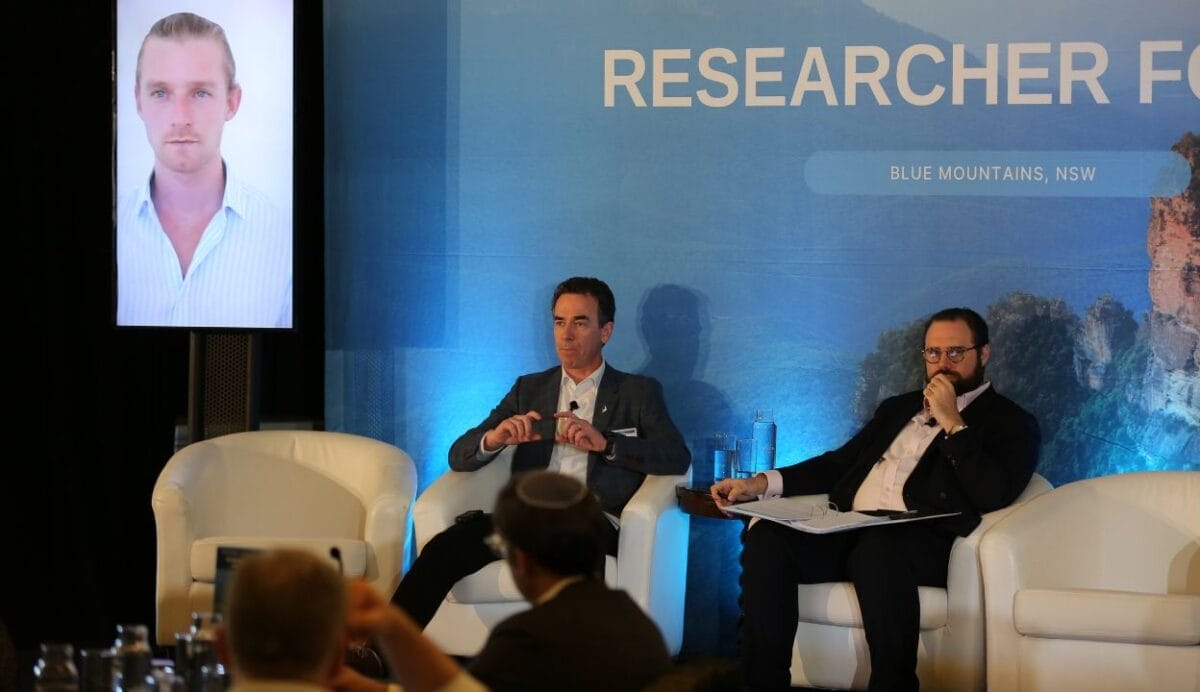
“I fear that we are about to squander what is arguably our primary advantage: industry funds collaboration,” Sicilia told attendees at Global Dialogue 2012.
At $46 billion, AustralianSuper, the largest industry fund, ranks among bank-owned companies as one of the six biggest superannuation providers. It has expanded services as its membership has grown beyond 2 million, meaning that the fund represents more than one in 10 working Australians.
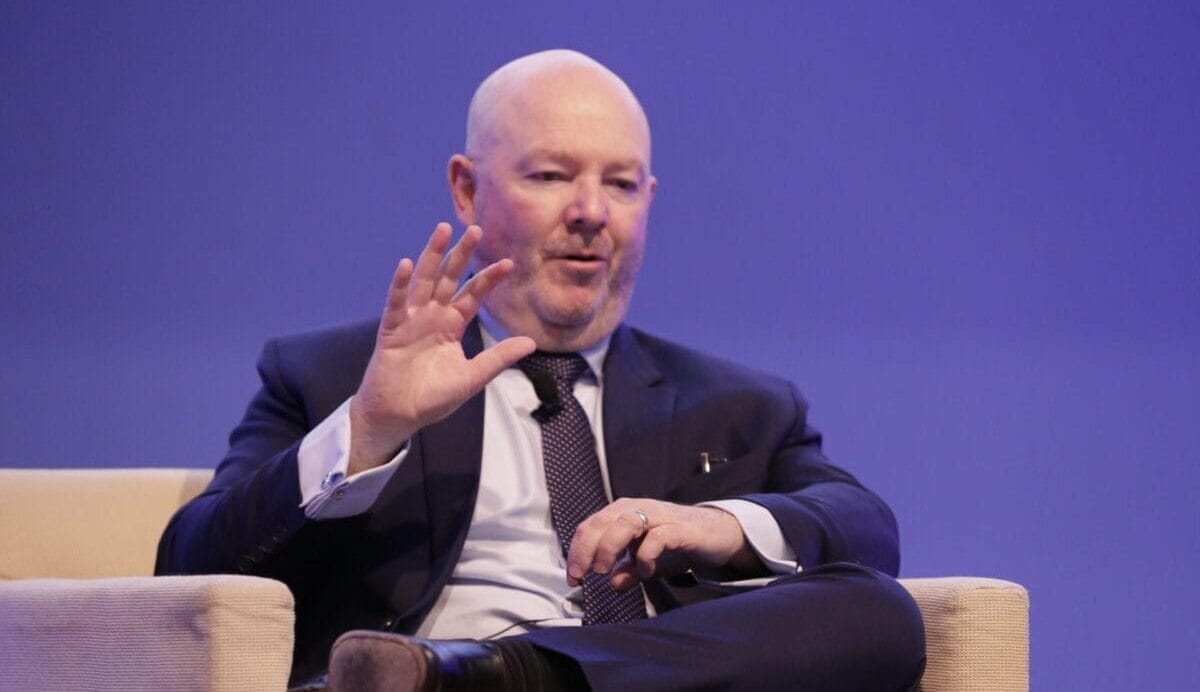
| “I fear that we are about to squander what is arguably our primary advantage: industry funds collaboration,” says Sam Sicilia. |
It plays a major role in the industry fund movement but is regarded as a bellwether fund for recent innovations, such as its trial partnership with six financial planning groups and hiring of a Beijing-based investment professional.
“As funds grow, there is a tendency to want to move apart,” Sicilia said. “The further we move away from each other, the advantage that we have starts to erode. The further we fragment our power base, the more we play into the hands of our true competitors, the retail funds.”



















Leave a Comment
You must be logged in to post a comment.