
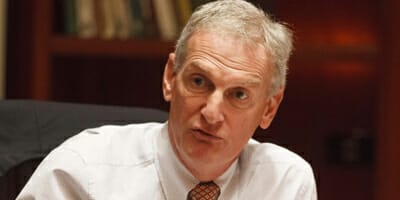

Corporate super funds that are unwilling or unable to merge with others are being directly targeted with a newly enlarged trustee service from Equity Trustees, led by John Rodd, former chief financial officer of Equip.
ChantWest estimates there to be around 60-70 corporate funds still with their own trustee operations that could be attracted to the service.
Rodd, who was formerly a candidate for the role of chief executive at Equip, started as head of the superannuation trustee office in May after Equity Trustees gained responsibility for the $800 million KPMG staff master trust, taking total funds under trusteeship to $2.2 billion – one of several funds it has won in the last few months.
The service obligates the need for corporates to have a trustee board and to manage compliance, but it still allows them to have their investments run on a separate basis – a chief investment officer service is only offered as an optional extra by Equity Trustees.
Robin Burns, managing director of Equity Trustees, said the dedicated service was set up to meet demand from trustees unable to meet the increased demand for compliance.
“We know for a fact a number of super trustees are asking their boards about whether they can do this, or have to outsource it. There’s an enormous wave of regulatory change, in an unprecedented period, that’s lifted the level of resources needed to manage it successfully,” he added.
Ian Fryer, head of research at Chant West, predicted many more corporate funds to move down this route.
“There are about 100 corporate funds still standing, although about one third of these already have a corporate trustee. I expect some of the remaining two thirds would be looking at outsourcing their trusteeship,” he said.






















Leave a Comment
You must be logged in to post a comment.