

The Future Fund is accelerating its program of co-investments as a means of improving its margin of return.
Its investment team broadly agrees with the recent International Monetary Fund assessment of the world now entering a five year period of low growth.
So while the fund achieved returns of 14 per cent in the year to June 2014 and just over 15 per cent in the year to June 2013, it now foresees several years of single digit returns.
The fund hopes to use its scale and know-how to work to co-invest with fund managers on deals where it usually pays zero fees to the manager.
The number of these deals has accelerated in 2014. The fund has carried out 30 direct or co-investments since inception in 2007, but 14 have been carried out this year and five in the last quarter.
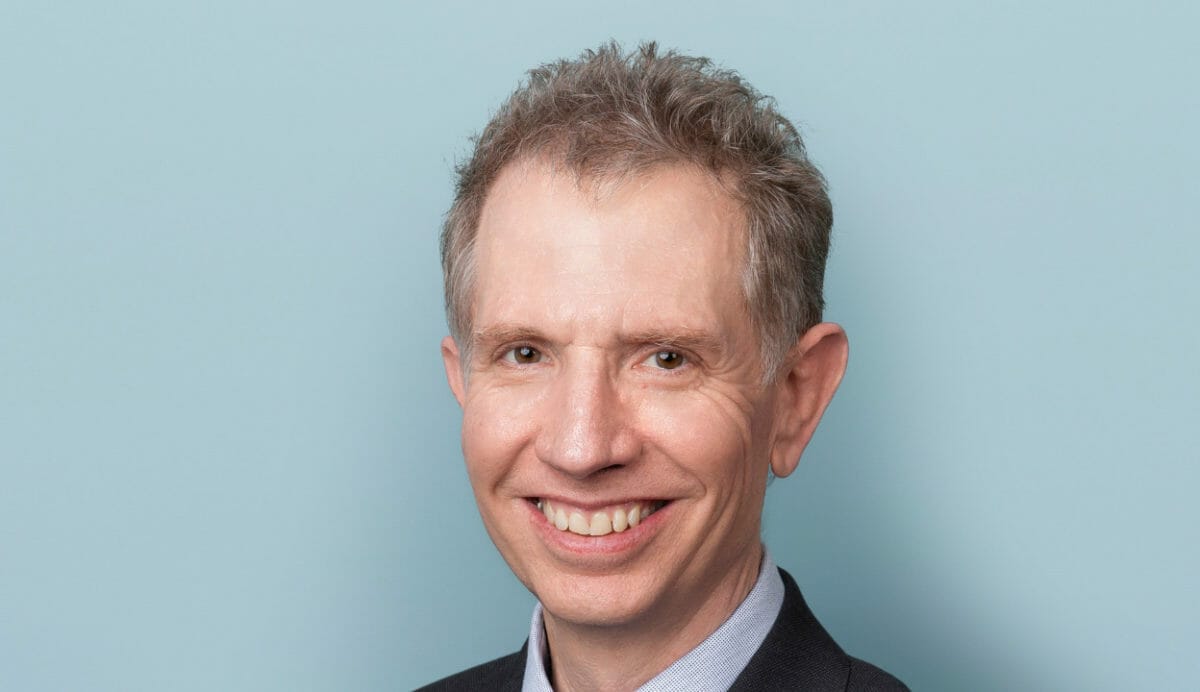
Raphael Arndt, chief investment officer of the Future Fund, believes most asset classes are currently expensive and sees enhancing returns can be made by finding “the best opportunities within sectors through leveraging our managers.”
Arndt contrasted this approach with institutional investors that were increasing the amount they managed in-house to boost returns.
Instead, the fund is looking to build partnerships, rather than compete with managers.
“We work with the best investment managers we can find anywhere in the world, what that means is we have got thousands of people scouring the globe for the best investment opportunities for us,” he said.
The fund’s desire to work in this way is reflected in its decision not to purchase any domestic infrastructure in the last 12 months.
Arndt said the fund had looked at a range of infrastructure opportunities in that time frame, but baulked at the high valuations.
As well as using co-investments as a means of gaining return in a low-growth world, the fund is also adopting an increasingly flexible and quick approach to the acquisition of assets as a competitive advantage, said Arndt.








Leave a Comment
You must be logged in to post a comment.