
With the AI thematic now powering returns across multiple asset classes, super funds are peering deep into their portfolios to get a better understanding of how and where they might be replicating exposures.
But even the simple arithmetic of adding up a fund’s total dollar exposure to the AI thematic paints a complex picture, according to Michael Winchester, head of investment strategy at Aware Super.
“The Mag Seven is around 25-30 per cent of the MSCI World. Our default option for most of our members is high growth, so that’s got nearly 40 per cent in global equities,” Winchester told the Frontier Advisors conference on Thursday.
“That’s already a big chunk of our portfolio in this one thing, and then there’s infrastructure… [and] our credit team is lending to data centres; our property team is developing and selling data centres.”
Underpinning all of those individual business cases is an expectation that the economy is going to become “ever more data intensive”, Winchester said, and all of those investments in AI give the fund “different betas and attachment points” to that one expectation.
“What I would really love to do is measure what those exposures are across the betas, the attachment points, so I can get a better appreciation for the risk than just adding up all the dollars,” Winchester said.
Anna Shelley, chief investment officer of AMP Super, said that her portfolio was “not dissimilar” in terms of the weights and sums allocated to AI, but that she’s not too worried about what she regards as “the primary ecosystem”.
“I keep thinking about the iPhone; when it came in it was such a revolution,” Shelley said. “Nobody ever asked about how it was going to change the world and who was going to lose their jobs, but it was a huge revolution, and the primary benefits were to the ecosystem around it – Apple and telcos – and then you got a few innovative companies that levered off that; Uber, and social media.”
“We haven’t really seen that yet. I don’t think that new businesses and new industries come out of the innovation itself, but appear more broadly across the economy.”
AI innovation is also powering the China market, though the unique characteristics of China and the emerging markets more broadly demand a more active approach, Shelley said.
“We still prefer to have an active manager within emerging markets to make those allocations on a company-by-company basis. We do have a partnership with China Life Pension Company… I think there’s a lot of potential within those markets, and a lot of potential for China itself as it develops out of that system.”
For Aware, investing directly in China has “always been tricky”, Winchester said; the fund has tried it in the past, but “frankly, the returns just weren’t there”.
“The state direction into those targeted industries gives you an idea of which industries are going to grow, but they’re often also the industries that they don’t really want foreign involvement in, and you need to be careful to steer clear of those. I think it’s really important to have local expertise – and if you can’t develop that expertise yourself, you need to find a really good partner.
“The alternative approach, I suppose, is that you could ignore it. You could go to a largely passive weight to China. We have an active exposure to China, but some of it’s also via a total return swap, where you can be paid outperformance over the index because there’s such demand for short interest in China.”
Still, the rise of China as a political and technological superpower demands that super funds and other long-term investors sit up and pay attention.
“[That idea of] ‘hands off, don’t worry about it, there’s plenty of things elsewhere’ – maybe that’s a bit shortsighted,” Winchester said. “I do think maybe the position we’re in now, where we’ve been largely passive market weight to China, that is something we should continue to challenge, because clearly China’s changing and its relationship to the world is changing.”
Kim Bowater, Frontier Advisors director of consulting, said that the fact that super funds’ weighting to emerging markets had come down felt like “a growth opportunity that’s being missed” and that they could also provide valuable diversification away from the US indices.
“[Some EM countries] have been very strong recently, so this isn’t a timing call, but I think structurally there could more exposure. There are those risks, of course, around whether the shareholder will get the returns and how you capture the innovation, and I think active management is certainly very important.”
“You want to have the bottom-up insight to pick the industries and sectors and areas of innovation that are interesting, but you are putting yourself into a position where you’re quite different to the index – and the last few years you could have been delivering quite different performance, which is challenging, if you’ve been trying to meet a benchmark objective.”

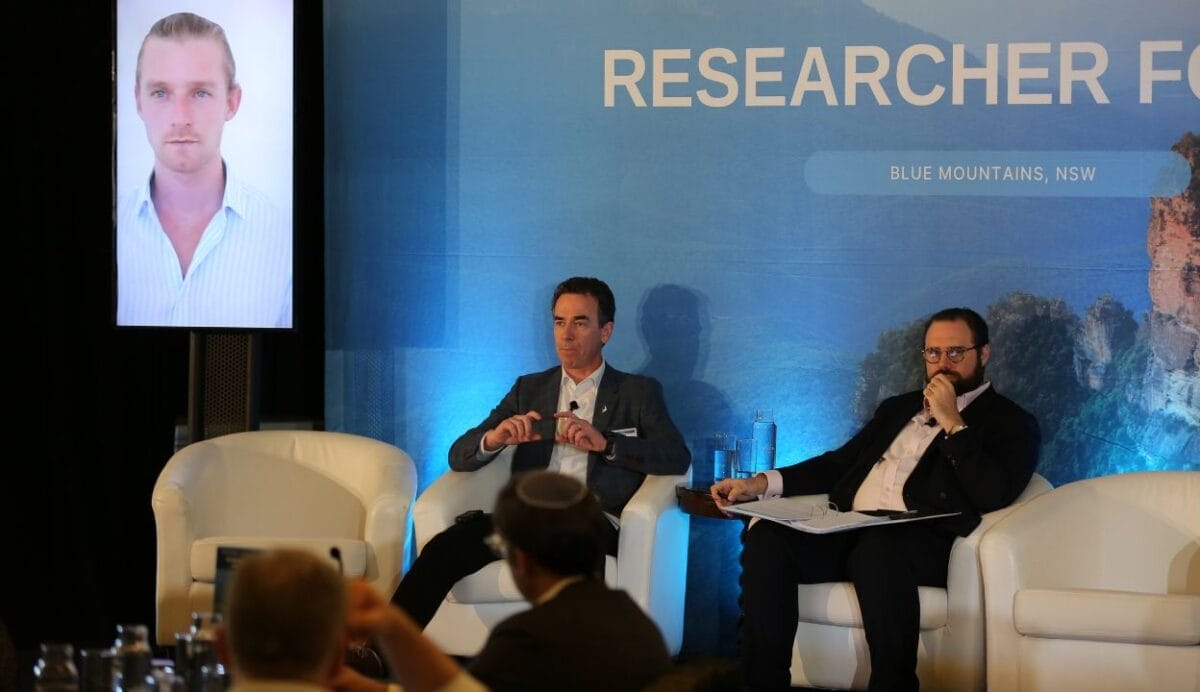
(L-R): Alice Berriman, Anna Shelley, Michael Winchester, Kim Bowater. Image: Fiona Hue.

18 June 2026 15:02
Aware Super, AMP Super, Frontier Advisors




Investments

Rest Super has built its private equity program around a deliberately selective approach to manager and deal selection, favouring a concentrated roster of external partners and proactively seeking out top PE firms rather than waiting for them to come knocking. Head of private markets Marina Pasika unpacks the program’s coming of age and what powered an asset class return more than double the peer average in the last financial year.











Leave a Comment
You must be logged in to post a comment.