Emerging markets’ strength is coming from within

Produced in partnership with Robeco. For years, emerging markets were boxed as a commodity proxy, a levered play on China, or a diversifier in a developed markets-centric portfolio. The economic architecture has shifted: EM and developing economies now account for the majority of global GDP on a purchasing power parity basis and growth projections expect … Read more

The growth engine investors can no longer afford to miss

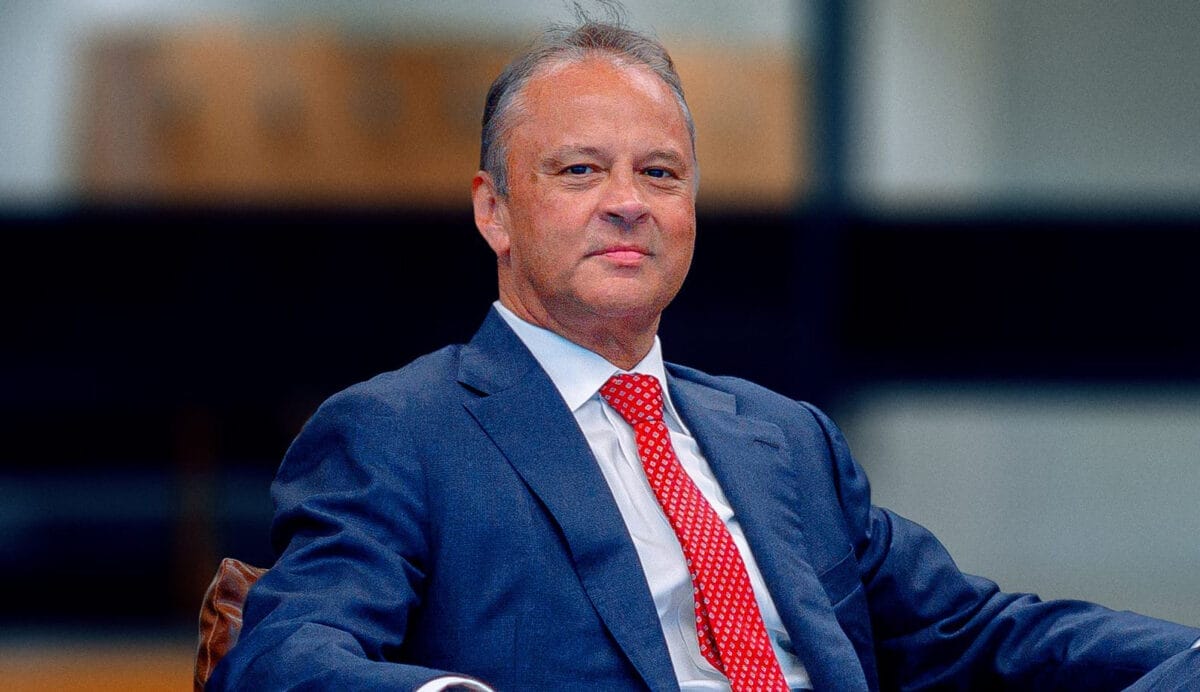
The emerging markets surprised investors last year, coming out of a long period of underperformance relative to developed markets in a strong rally driven largely by a rethink of the outlook for Chinese technology companies. Kees Verbaas, global head of fundamental equity at Robeco, thinks that an increasingly supportive macro environment means that rally will be both sustained and extend to more sectors.

More data obligations for funds as APRA consults on retirement reporting

With the government’s Retirement Reporting Framework finalised, the regulator is consulting with funds on the structure and timing of an implementation program designed to create a fit-for-purpose regime with minimal additional compliance burden.

‘Stick to your guns’: HESTA says disciplined DAA still delivers

Dynamic asset allocation has become increasingly popular among pension and sovereign wealth funds as a top-down tool to generate alpha and mitigate risk in the face of changing market conditions, though not every asset owner believes in the approach’s value-add. But HESTA’s general manager of dynamic assets Michael Blayney argues active asset allocation is just natural extension of the underlying logic in security selection.

Super funds and insurers confront escalating mental health claims crisis

Mental ill health claims across group and retail life insurance policies are expected to reach more than $4 billion this year, according to data from the Council of Australian Life Insurers and Conexus Financial – a trajectory that is unlikely to change. But the ways that superannuation funds and insurers are dealing with mental ill health are flawed, according to an Investment Magazine roundtable, in partnership with AIA Australia.

GESB CEO calls time: ‘Past regime of default super’ no longer sustainable

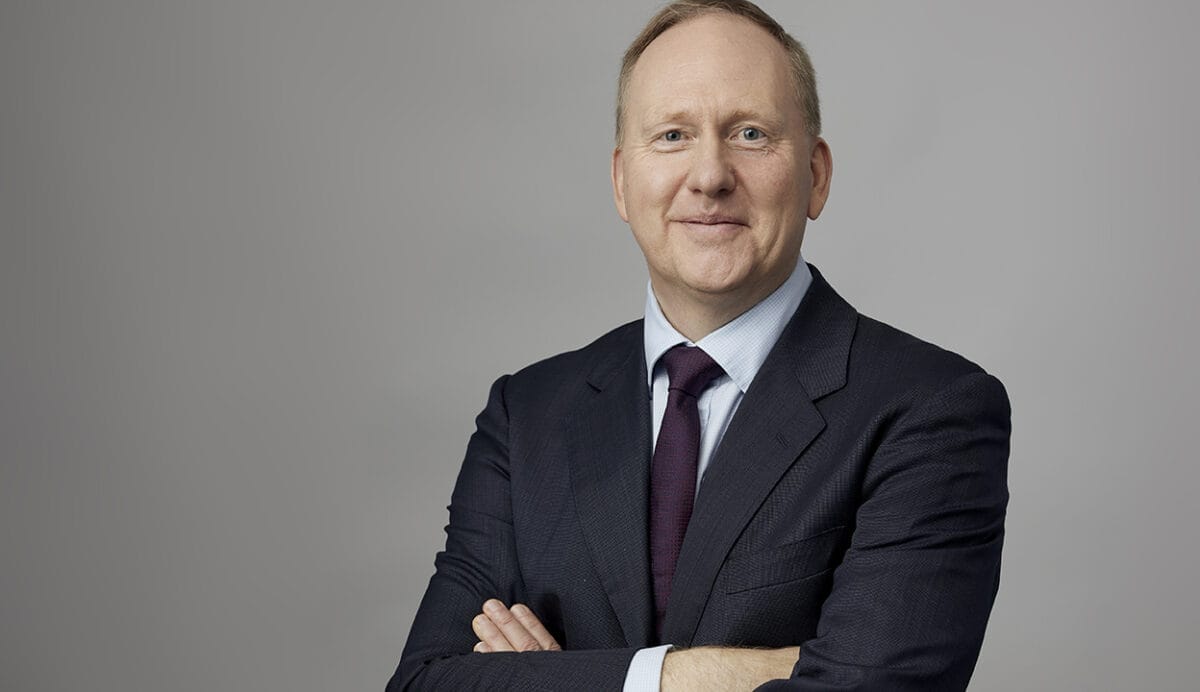
GESB chief executive Ben Palmer is set to leave the Western Australian government super fund, ending a 13-year tenure after steering the fund through the most significant change in its history. In a rare interview, Palmer examines the past, present and future of super and explains why GESB is treating platforms, not profit-to-member funds, as its benchmark.

‘Not an ATM’: Sicilia shrugs off private credit liquidity fears

The chief investment officer of the $150 billion industry super fund says that Hostplus’ portfolio will weather the ongoing downturn in software companies and that moves by a number of large private credit managers to gate their funds are a result of the asset class being offered to retail investors who should not have assumed the funds would be liquid enough to get money out when everybody else is trying to do the same.