
Industry & regulation
Super funds must adhere to governance standards they demand of others
Director tenure limits are embedded in governance codes across every major capital market. As Australian superannuation funds become retirement institutions, they should be held to the same standards that they expect of the companies they invest in.


Governance
What a brief encounter with Elon Musk taught me about the limits of capitalism
A brief encounter with Elon Musk in 2013 showed that he would not flinch at rolling the dice, writes Conexus Financial founder and managing director Colin Tate AM. But SpaceX’s mega-IPO demonstrates that citizens, regulators, capital allocators and advisers need to decide whether they are comfortable with who is holding those dice.

Operations
AustralianSuper gets European treasury head
The $410 billion AustralianSuper has appointed a dedicated head of treasury, Europe amidst a broader push by super funds to manage the increasingly complex liquidity needs created by their growing allocations to offshore and private assets.

Culture
‘Every opportunity has to earn its place’: How the Future Fund built a TPA culture that scales
The total portfolio approach has allowed Australia’s sovereign wealth fund to capture the themes that will power markets and economies for decades to come, said director of thought leadership Craig Thorburn – but that doesn’t mean it’s not hard to scale.

21 July, 2026
Insurance in Super Summit

19 August, 2026
Retirement Leaders Summit

13 – 15 October, 2026
Fiduciary Investors Symposium

Leadership & profiles
AustralianSuper real assets head jumps ship
AustralianSuper’s head of Australian real assets, Nick O’Neil, is leaving the fund to become group chief executive officer and managing director of the ASX-listed global real estate and infrastructure group Lendlease.
Leadership & profiles
GESB CEO calls time: ‘Past regime of default super’ no longer sustainable
GESB chief executive Ben Palmer is set to leave the Western Australian government super fund, ending a 13-year tenure after steering the fund through the most significant change in its history. In a rare interview, Palmer examines the past, present and future of super and explains why GESB is treating platforms, not profit-to-member funds, as its benchmark.

Profiles
Why HESTA’s ‘joined-up thinking’ is one of its CIO’s favourite things
Sonya Sawtell-Rickson joined HESTA as the health industry workers’ super fund was taking steps towards investment internalisation and a total portfolio approach. She says the moves have been vindicated not only by member returns but in the “joined-up” conversations the now-$96 billion fund has with the companies it invests in.
Podcasts
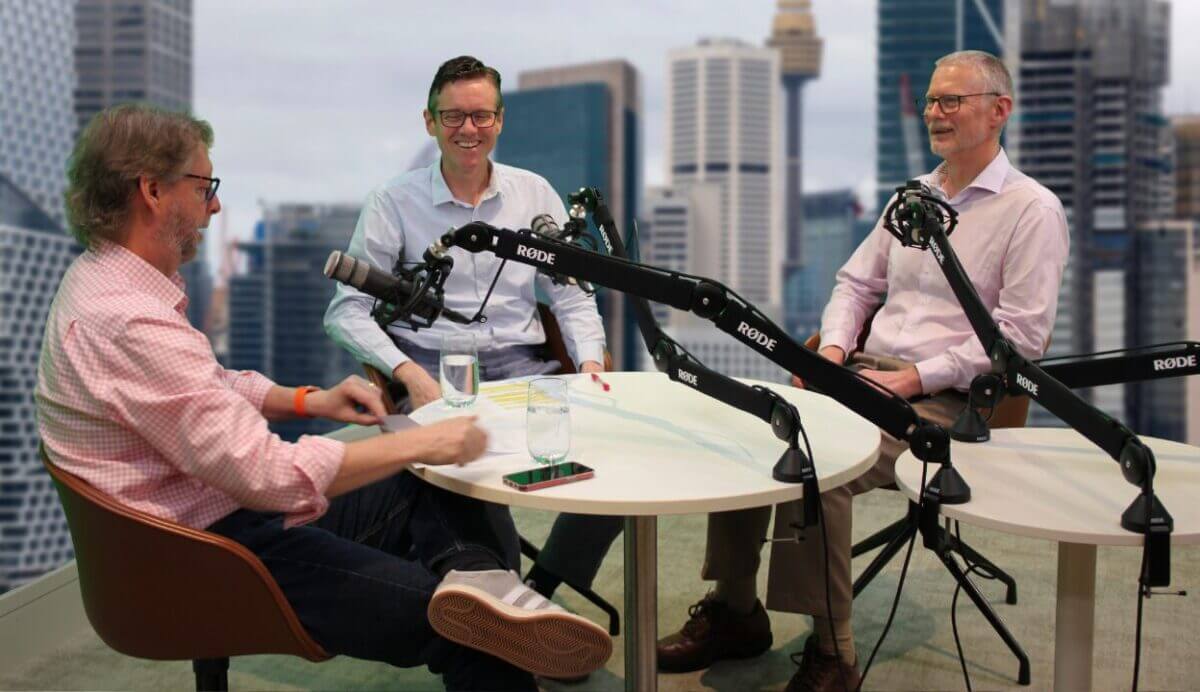
Pension Policy Series Podcast: Surveying the state of the retirement market
For more than three decades, the superannuation system has served members well as they accumulate savings during their working lives. Now funds are grappling with the task of helping members make the best possible decisions to ensure their income lasts long enough so that they can enjoy a dignified retirement. Join editor of Retirement Magazine, Simon

Industry & regulation
Super complaints expected to reach 8000 in 2026: AFCA
Superannuation complaints to AFCA are on track to exceed 8000 this year, a second consecutive year of around 30 per cent increases. Heather Gray, who is retiring in May after six years as lead ombudsman for superannuation, told the authority’s Member Forum that the answer to reducing complaints lies in empowering funds’ IDR teams and communicating with complainants and AFCA early. The forum heard that handling unreasonable people is a critical skill.
Governance
Third HESTA exec heads for the door in less than 12 months
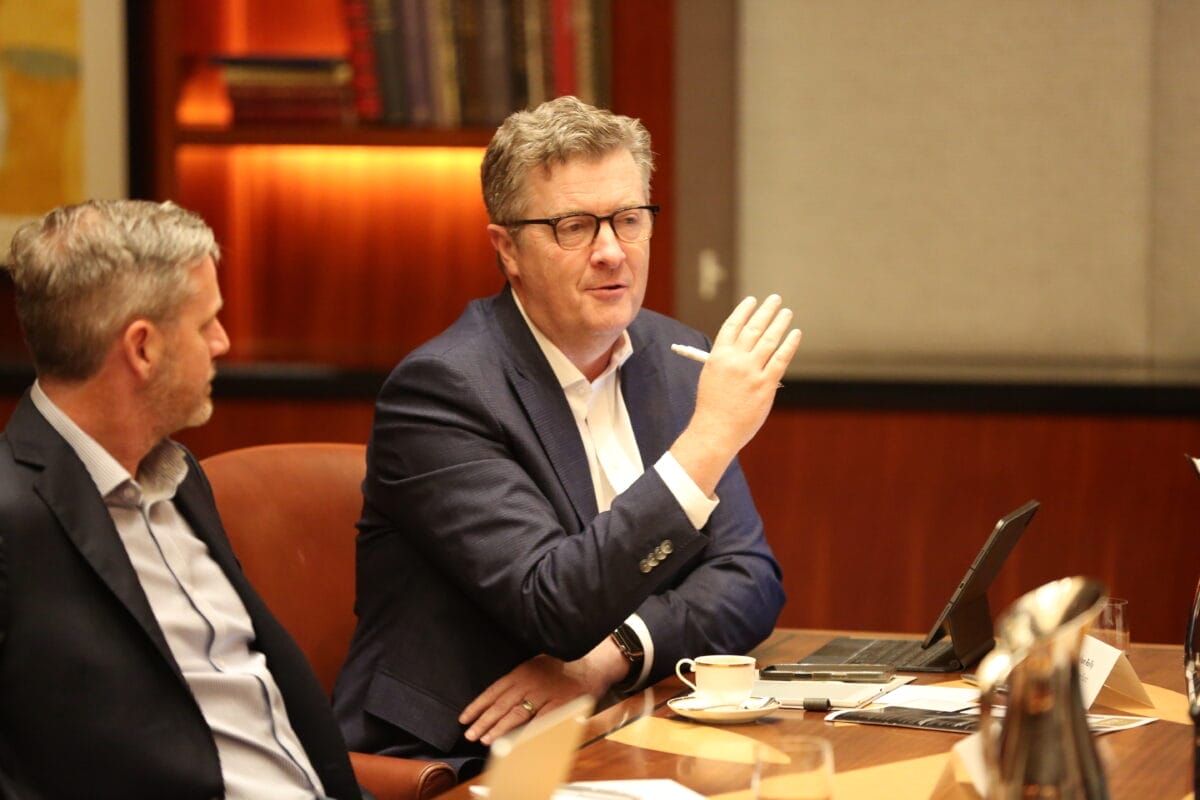
The departure of the $100 billion HESTA’s chief operating officer Stephen Reilly follows those of chief executive Debby Blakey and chief risk officer Andrew Major, and is part of a shake-up among the broader senior ranks of Australian super funds.
Industry & regulation
Laggards drag down super’s death benefits progress: ASIC
ASIC has warned that a tail of underperforming superannuation trustees risks undermining industry-wide progress on claims handling more than a year after the regulator excoriated funds for dragging their feet on death benefits claims.



Investments
How Cbus built its new Australian equity strategy from scratch
Ryan Riedler, head of ASX core strategy, Australian equities at Cbus, says the fund will look to generate alpha locally through engagement and that internalisation will help it strengthen its connection with other market participants, as well as its brokers and service providers.

Investments
Why markets won’t go back to normal after Iran
The war in Iran heralds a period of prolonged market and economic disruption rather than a “short, sharp shock”, according to BlackRock. But investors can’t afford to tear their eyes away from market shifts already underway before the war began.




