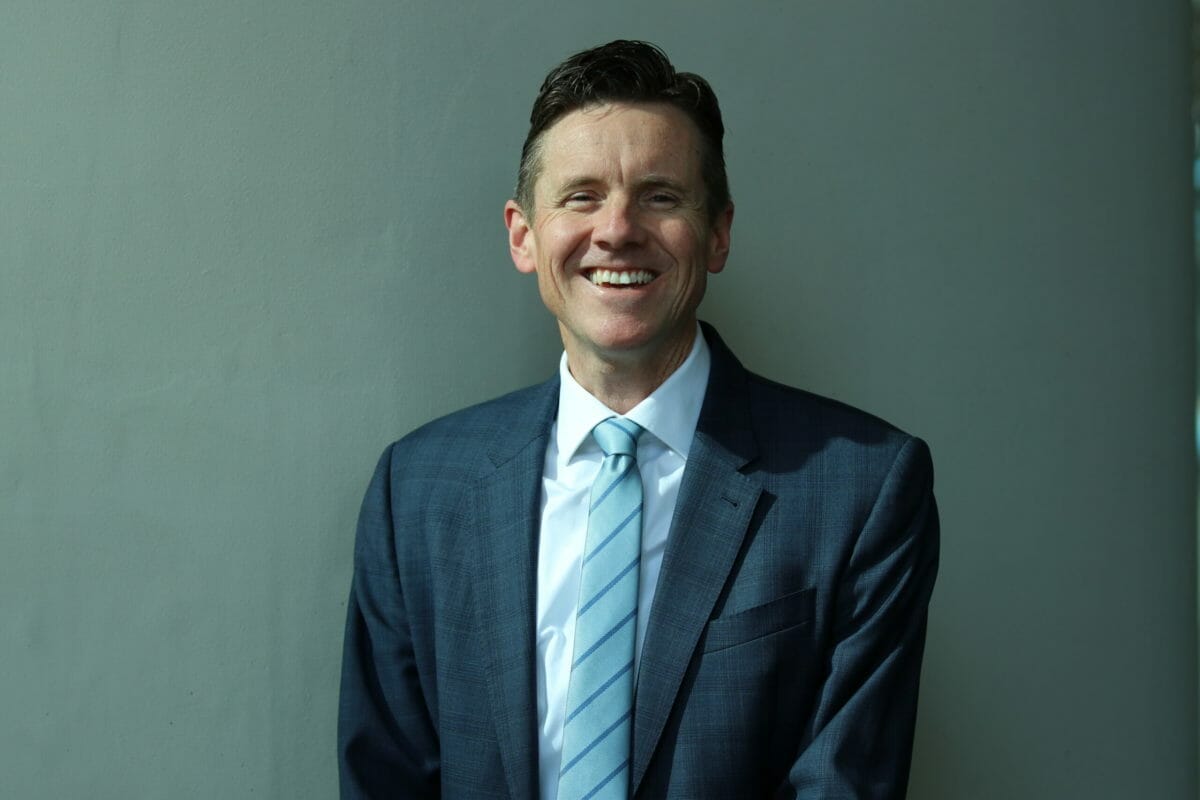
Panayiotis Lambropoulos: Risk mitigation, portfolio construction and alpha seeking
It is no longer fun to be a macro strategist, or is it?
What is this alchemy in the market that prices appear to reflect cognitive biases that normalcy in the economy will return so soon?
In this fragile market environment, what is the role of systematic and discretionary for macro investors?
Emerging evidence has helped funds refine their scenario planning to get a better feel for how investments will perform, according to Ian Patrick, who is considering a number of factors including lock down time frame changes and societal shifts in his forward economic and asset value assumptions.
Industry is consulting with APRA to address the cost of merging, particularly among smaller funds where the cost to merge is preclusive to tie-ups progressing, experts have raised during an ASI digital conference panel discussion.
With savings plans failing to generate returns due to rock-bottom interest rates, Daniel Seiler from Vontobel Asset Management has predicted investors will begin to develop multi-asset portfolios rather than just cash, instead of just taking on straight equity exposure.
Whilst an important variable, inflation is just one of the factors infrastructure investors are sharply focused on, as the asset class definition transforms and governments around the world navigate a changing economic and geopolitical environment, RARE’s Nick Langley explains.
Many may have argued central bank stimulus has destroyed trends and manipulated markets, but that doesn’t mean new trends can’t emerge, even if they are not as predictable, Kathryn Kaminski explains.
The world’s ability to manage Covid-19 will progressively improve over time, says Mark Delaney, the CIO of Australia’s largest superannuation fund, and the economic recovery has so far been faster than with other major recessions.
A world-first “pain coach” trial between insurer AIA Australia and pain scientists including Professor Lorimer Mosley from the University of South Australia has produced some standout results.
A Biden fiscal and economic stimulus reform would involve raising company and capital gains taxes, but it would also involve raising deficits to spend more, a-la Franklin Roosevelt in 1933, an approach that could turn out to be more positive for financial markets, Bridgewater Associates founder Ray Dalio points out.
Pressure on investment committees has increased exponentially during the pandemic as the ‘realms of the investable have completely shifted’. Willis Towers Watson consultant Rebecca Bannon believes proper instruction, delegation, and efficiency are required to keep them ticking.