Susan Thorp: The economic impact of super
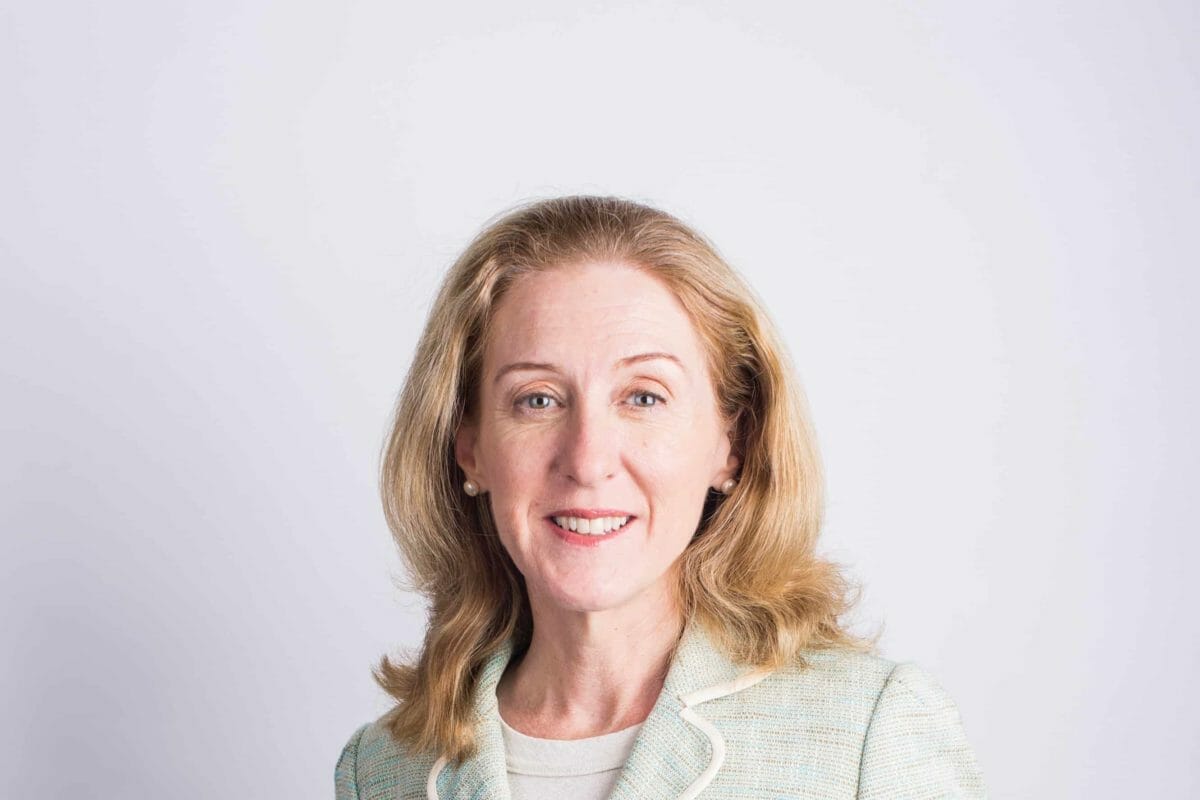
Is the world’s fourth-largest pool of retirement savings being put to good use? University of Sydney Business School economist Susan Thorp discusses this at a forthcoming FEAL conference.
Is the world’s fourth-largest pool of retirement savings being put to good use? University of Sydney Business School economist Susan Thorp discusses this at a forthcoming FEAL conference.
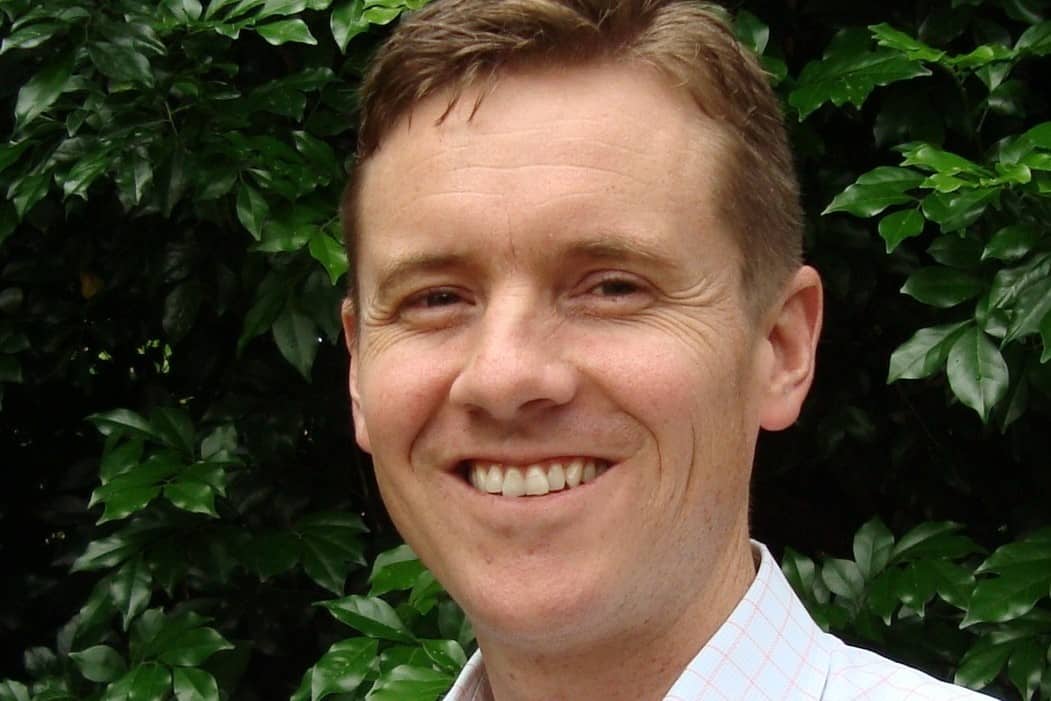
Demographics and industry dynamics, along with the funds flow from retail to industry funds and from smaller funds to bigger players, have culminated a situation where most of the industry is in net outflow, says former Mine Super CIO, David Bell.
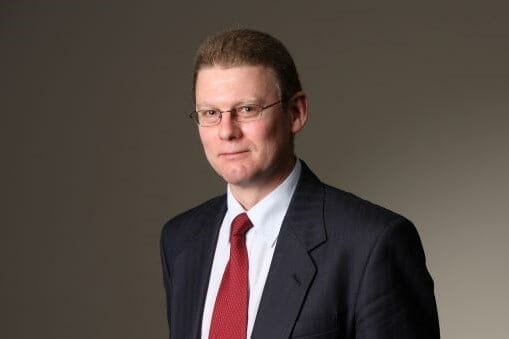
A key issue in life-cycle fund design is setting the right ‘glide path’ for switching from growth to defensive assets over time. As it turns out, risk aversion is far more important than pension fund balance.
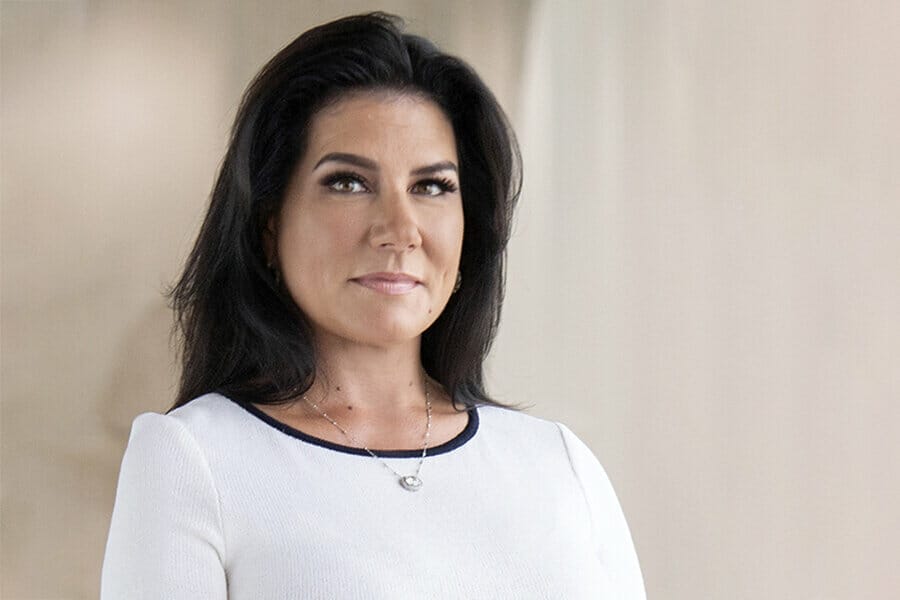
While the world’s banks are the largest holders of leveraged loans and CLOs, new data has revealed about 40 per cent of these instruments are owned by asset managers, private equity, and hedge funds.
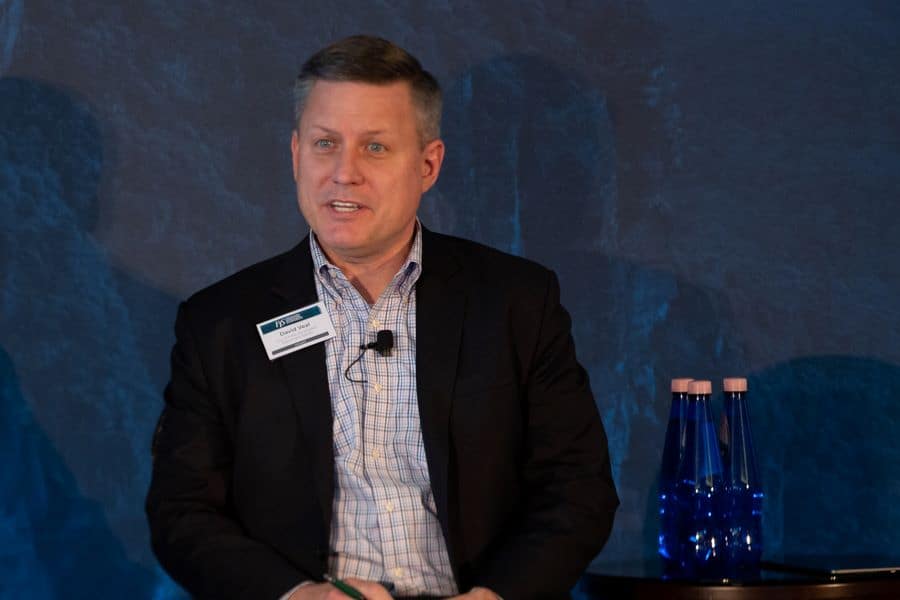
David Veal, CIO of the $3 billion City of Austin Employees Retirement System, discussed private equity, managing strategic relationships, internalisation and adopting Norwegian investment beliefs at a recent Fiduciary Investors Symposium.
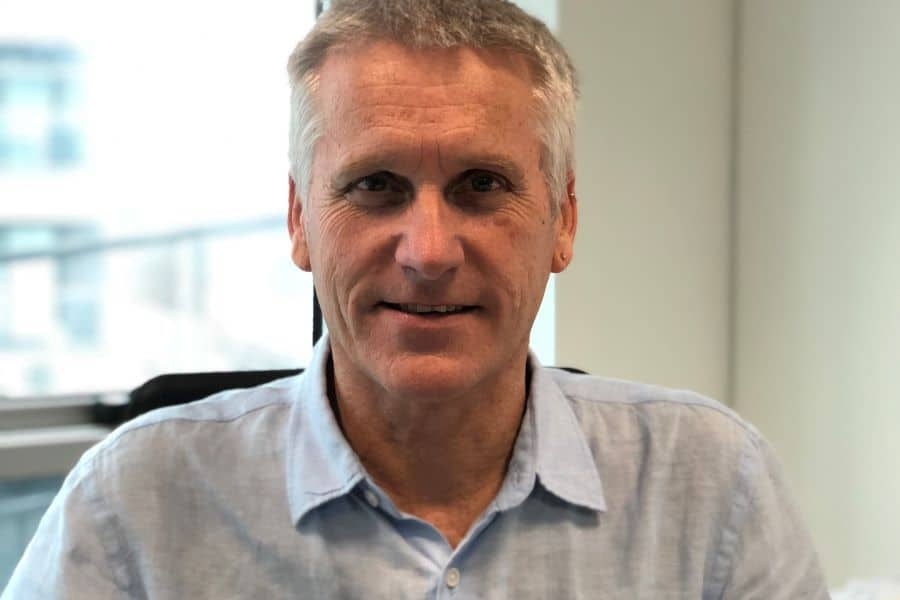
The Senate Economics Committee has recommended that the Putting Members Interests First bill be passed, further restricting default insurance in super.
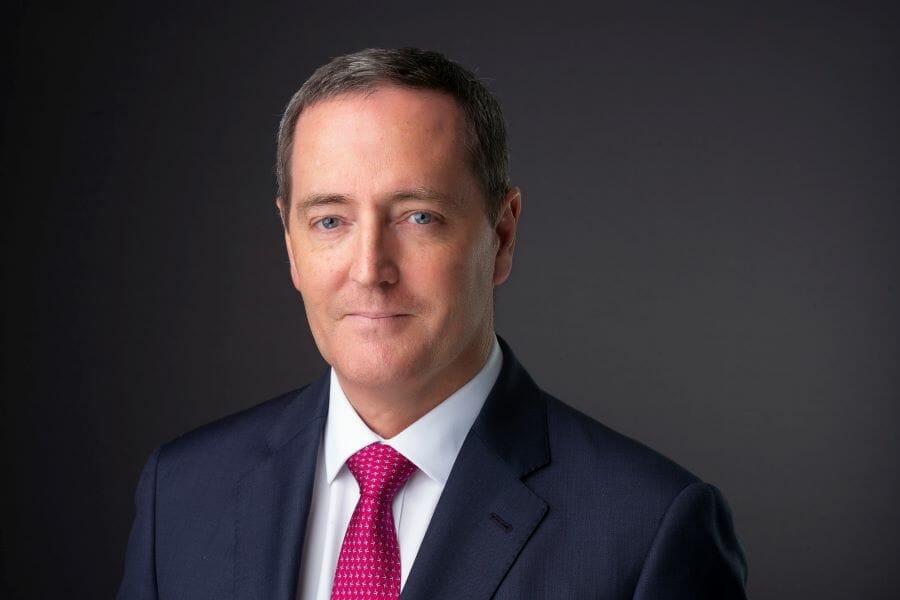
Group insurance can do better, but it’s wrong to say the system is broken, argues ASFA chief, Martin Fahy.
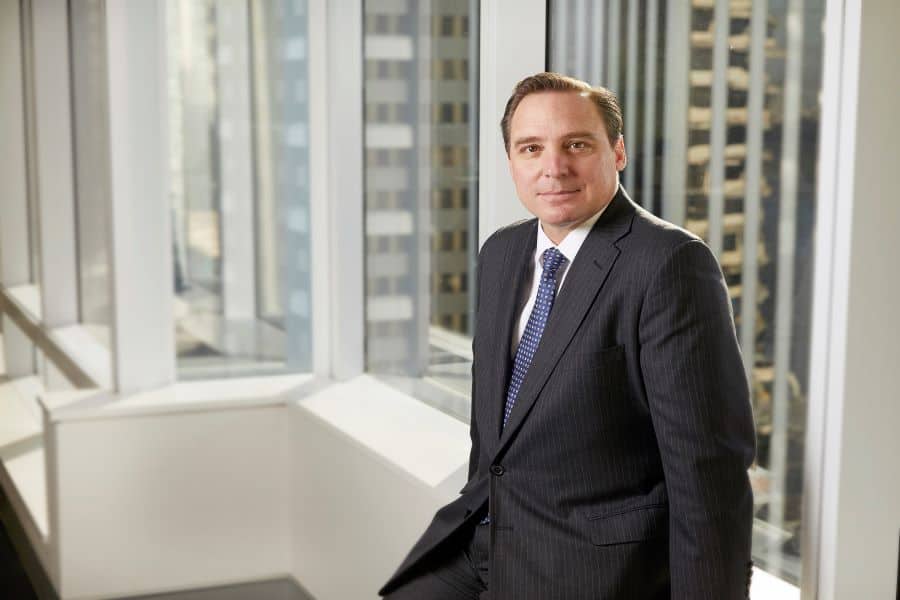
The $90 billion QSuper industry fund has promoted Charles Woodhouse to the position of CIO. He succeeds Brad Holzberger who will retire in September after serving as the fund’s investment head for 20 years.
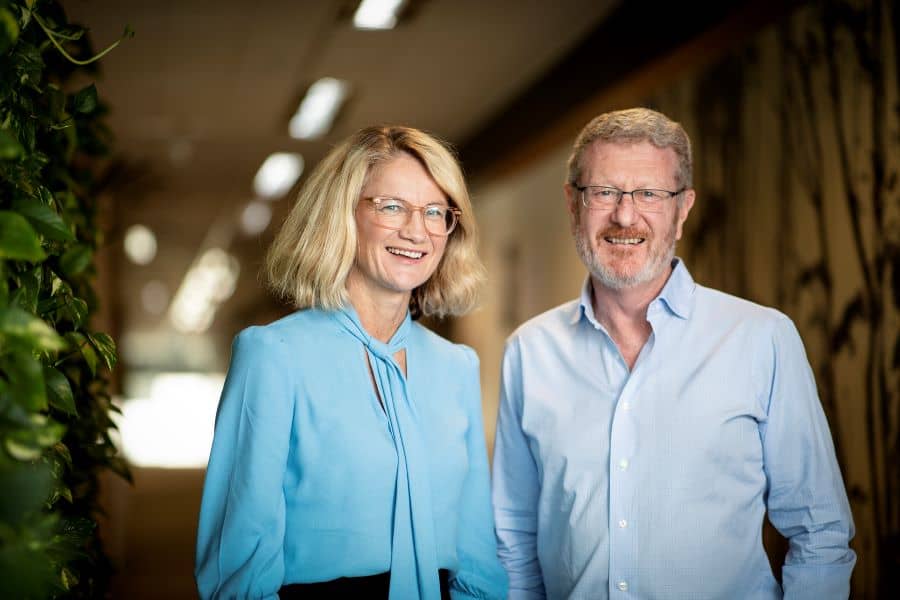
First State Super will merge with VicSuper to create Australia’s second largest profit-to-member super fund, managing $120 billion in retirement savings for more than 1.1 million members.
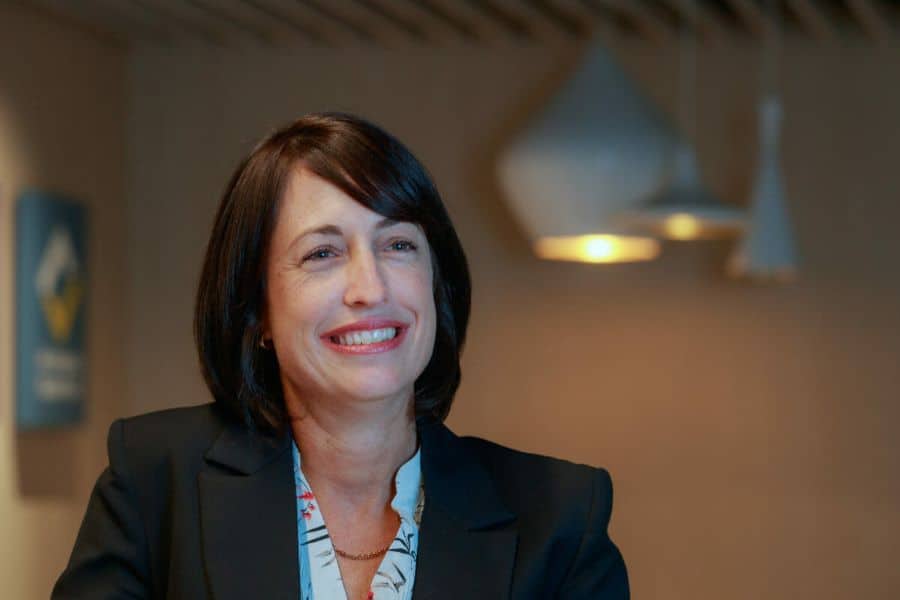
HESTA, the $50 billion superannuation fund for health care professionals, has appointed Gerard Brown as head of investment execution.

The $27 billion Nebraska Investment Council is conducting a deep dive into its fixed income portfolio, inviting up to 25 current and potential external managers to pitch their best ideas. The process begins by wiping any preconceived notions around the allocation’s role in the overall portfolio and justifying its place as if from scratch. It ends two years later with the issuing of mandates.

To the surprise of no-one, the result of the capability review found that APRA was not capable of fulfilling its most basic mandate, Pat McConnell says.

The investment intelligence behind Australia’s largest asset owners and their teams
In-depth interviews with leaders, experts and visionaries in the institutional investment community
Updates on the latest industry policy developments and regulation
The challenges and innovations of custody, technology and operational due diligence




Investment Magazine provides in-depth, monthly analysis of trends and developments for all the businesses in which superannuation funds engage‚ including asset allocation, investment manager selection, custody and fund accounting, member administration, group insurance and compliance.
We acknowledge the Traditional Custodians of this land upon which Conexus Financial sits, the Cadigal of the Eora Nation. We recognise their continuing connection and unique cultural and spiritual relationships to the land, waters and community. We pay our deepest respects to them and their culture, and to Elders both past and present.
