
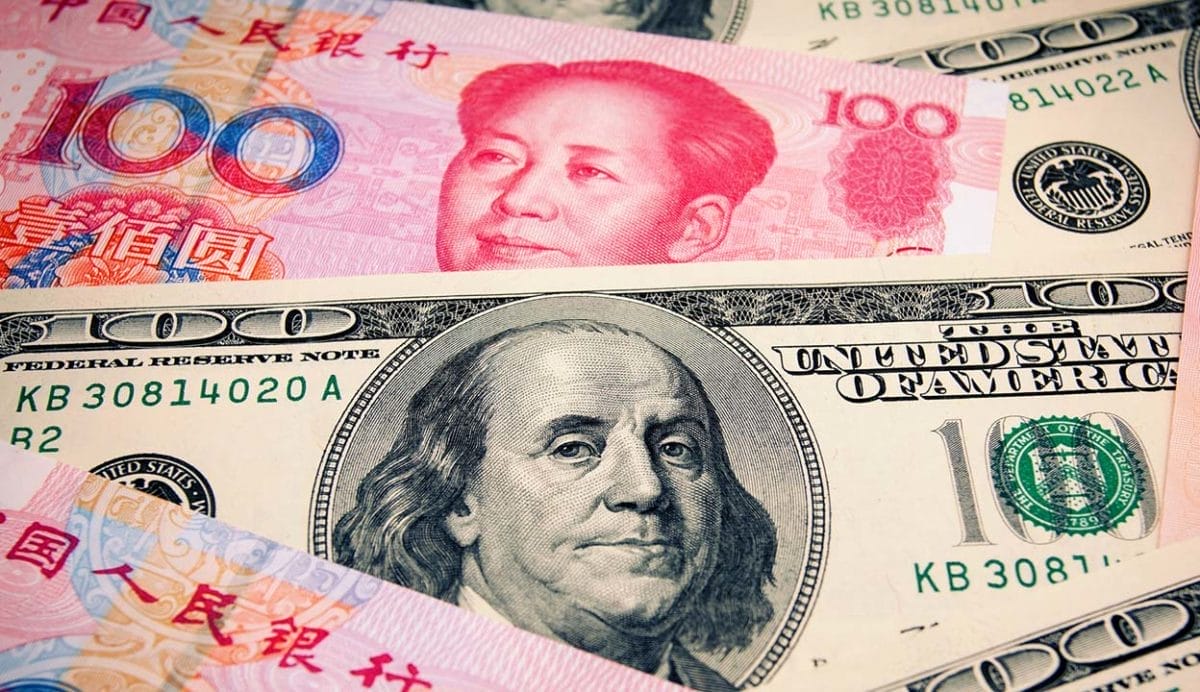
Currencies had been pegged or kept closely aligned to “what has been a weak US dollar”, thus when international investors looked at Asia on a currency adjusted basis, currencies looked cheap, likely to appreciate and this encouraged more capital inflow in the region, Karagianis explained. Sitting beside the cheap currencies, was the low interest rate setting in Asia, which Karagianis said was below what it should be given the economic strength in the region. This then created excess credit in the Asian region. “You put those two together and there’s just a lot of liquidity, a lot of capital sloshing around in the region,” he said. “Then it’s just a case of where it finds a home, and you’re seeing it pop up in a number of different ways and the one that stands out in terms of quite sharp price appreciation is obviously the property markets.” Many Asian cities had seen quite disproportionate property price increases in the last two years with the Shanghai house market increasing by 80 per cent over the last two years. “Clearly that’s been a major destination for a lot of that liquidity flow,” Karagianis summed up. “A lot of those markets aren’t easily accessed by foreigners so you probably have to say a lot of it’s being driven by Asian residential investors themselves.” Post-GFC, China’s incredible bounceback provided much hope for other countries sinking into economic gloom.

17 May 2011 04:57
The China property market is now being considered by bubble watchers, with fears that one of the greatest stories to come out of the gloom of the global financial crisis could fall victim to the cyclical, populous investment movement known as asset bubbles. While there was evidence of some aspects of the China market becoming overvalued, industry sources doubt this really is enough cause for concern. Asian equity and property markets and commodity markets were all named as potential candidates for a bubble in the MLC Investment Insight report for February 2011, an Investment Roadmap. MLC Investment Management investment strategist and co-author of the report, Michael Karagianis, warned investors to approach the Asian markets in general with “great caution.” “Asia probably comes up in many people’s minds as potentially a focal point for asset bubbles,” said Karagianis. “The reason for that is the policies that have been run in Asia since the financial crisis have lent themselves to very substantial capital inflows from other markets, so investors globally funnelling money into Asia.”




Investments

Rest Super has built its private equity program around a deliberately selective approach to manager and deal selection, favouring a concentrated roster of external partners and proactively seeking out top PE firms rather than waiting for them to come knocking. Head of private markets Marina Pasika unpacks the program’s coming of age and what powered an asset class return more than double the peer average in the last financial year.














Leave a Comment
You must be logged in to post a comment.