

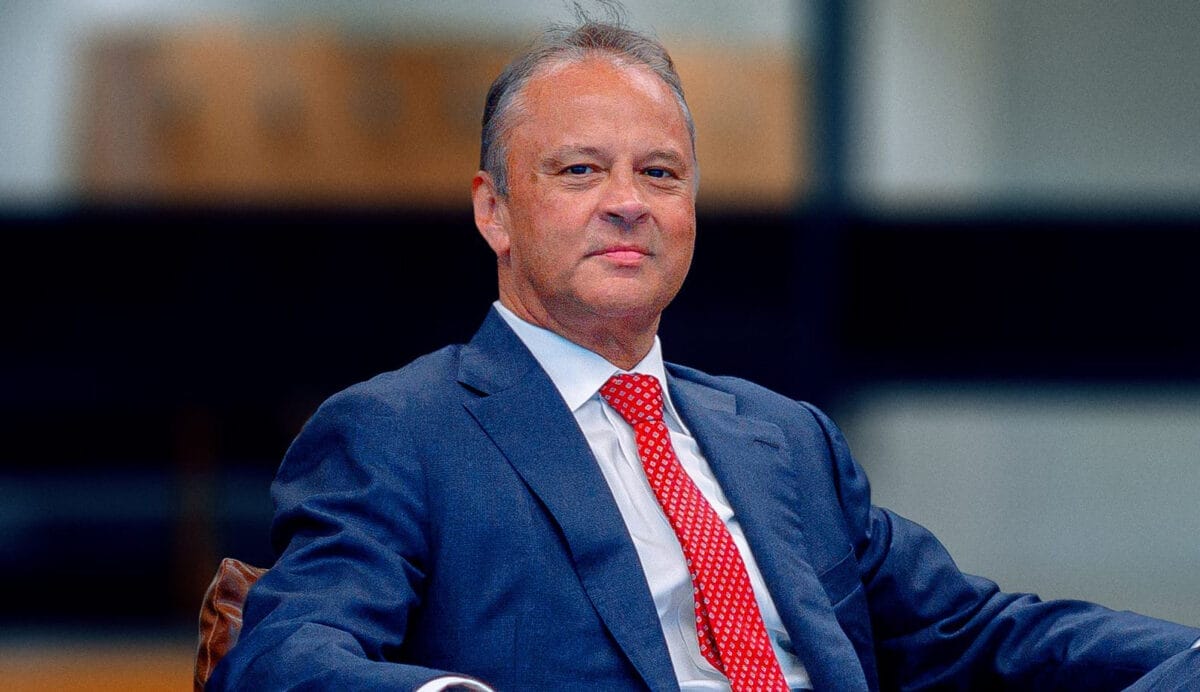
Superannuation funds are under pressure as investor behaviour changes, particularly because of technology, says Andrew Baker, managing partner at asset management consultants Tria Investment Partners.
“Business models of super funds are under a lot of pressure and the degree to which they are has probably been underestimated,” says Baker.
“Regulatory changes and markets have been used as a kind of excuse, but what is more important is investor-behaviour changes. We’ve had an industry-centric model in the past and it needs to be more client-centric,” he says.
Baker says the lack of focus on clients, apart from the risk of losing customers, creates increased risk of agency, governance and even corruption costs for the $1.9 trillion Australian asset management industry, which includes $1.3 trillion in superannuation money.
He says AustralianSuper’s member-direct product, which costs members $180 per year on top of their $1.50 a week fee, is an example of the way superannuation funds may in future appeal directly to their members.
“AustralianSuper’s lead on appealing directly to members is putting pressure on retail incumbents. They have to offer more options for clients who do not have financial planners,” says Baker.














Leave a Comment
You must be logged in to post a comment.