
Distinguished economist and former RBA board member Warwick McKibbin thinks that AI doomsayers aren’t grasping the economic opportunities it will create, but that policymakers still need to be prepared for social unrest arising from displacement of jobs by AI.
“One thing is clear: you don’t lose a lot of jobs. What you do is you change a lot of jobs, and some sectors do extremely well and some sectors don’t do very well,” McKibbin told the Investment Magazine Fiduciary Investors Symposium in the Blue Mountains on Tuesday.
“If you go back at history and look at all these big technical innovations, big structural shocks – everyone still has jobs. Why do I think that’s plausible? Well, if nobody has jobs, no one’s buying anything. The productivity is useless.
“There will be people that will be a lot worse off… as there were when they got rid of the stagecoach. But there will be this reallocation of jobs within the economy.”
That doesn’t mean there won’t be negative economic impacts for countries that don’t participate equally in the boom. More investment will mean that interest rates will rise, which is problematic for those countries that already have high debt-to-GDP ratios, and doubly so if they don’t enjoy the kind of productivity boost that would have come if they’d invested in AI.
But McKibbin also conceded his scenario around jobs is an optimistic one – albeit one that is supported by historical precedent, and the work done by McKibbin and his colleagues at the Peterson Institute, where he is a non-resident senior fellow – and that this time “could be completely different”.
“Policymakers have to be prepared for massive dislocation, leading to political fragmentation, leading to social unrest. This is a real possibility. That’s why I think policymakers need to worry about this change – that workers who used to be people are now becoming machines – has on global society.”
McKibbin used his appearance at the symposium to unveil new research from the Peterson Institute which dealt with two potential economic scenarios from the fallout of the war in Iran. The work, which uses the G-Cubed global economic model, found that a temporary economic shock resulting from the Iran war would reduce US GDP by approximately one per cent in 2026 relative to baseline – though McKibbin thinks that the shock is likely to be more persistent. But another, potentially more significant outcome of the war in Iran, is how China has come out of it.
“If you asked me who won the war between the US and Iran, I’d say China, because China’s got the post-reallocation of geopolitical focus. A lot of countries now see the US as an unreliable ally, and they’re looking for who can be more reliable. China’s unreliable too, but is maybe seen as less unreliable given the change in the US status.”
And while McKibbin noted that he’s an economist, not a political scientist, he thinks that change has significant implications for how Australia should conduct its relationship with the two global superpowers upon which it has come to rely – for defence in one case, and growth in the other.
“You want to be friends with China, and you want to be friends with the US, and you want to do middle power management with Canada and Singapore and Korea and Japan, and have a globally co-operative trading system. I think globalisation is absolutely critical for Australia – and most countries.
“I think we shouldn’t be [pulling away] from China to the extent that we have, but there’s a lot of risk because of the way the Chinese political system works. We’ve just seen a whole bunch of generals lose their jobs, and possibly their lives. So it’s a high-risk environment that is potentially very high return… China’s sitting there in the forefront with the technologies that are needed to decarbonise.”
Closer to home, McKibbin was critical of the government’s fiscal trajectory, saying that it had taxed labour too much and that it should shift to a consumption-based tax.
“My view is you should be going to a consumption tax – that will pick up the baby boomers out there spending all their kids’ inheritance. It’ll pick up the politicians that are overpaid. But the point is: tax consumption, don’t tax labour income. And that’s a much better move than what’s going to be in the budget tonight.”

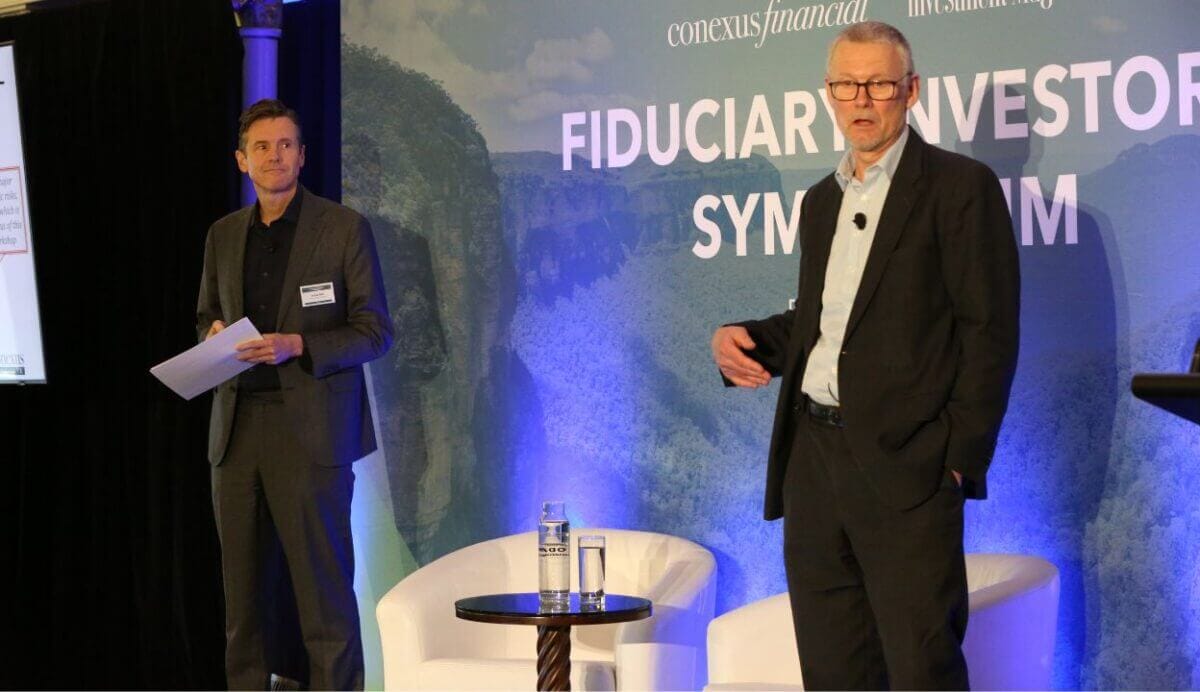
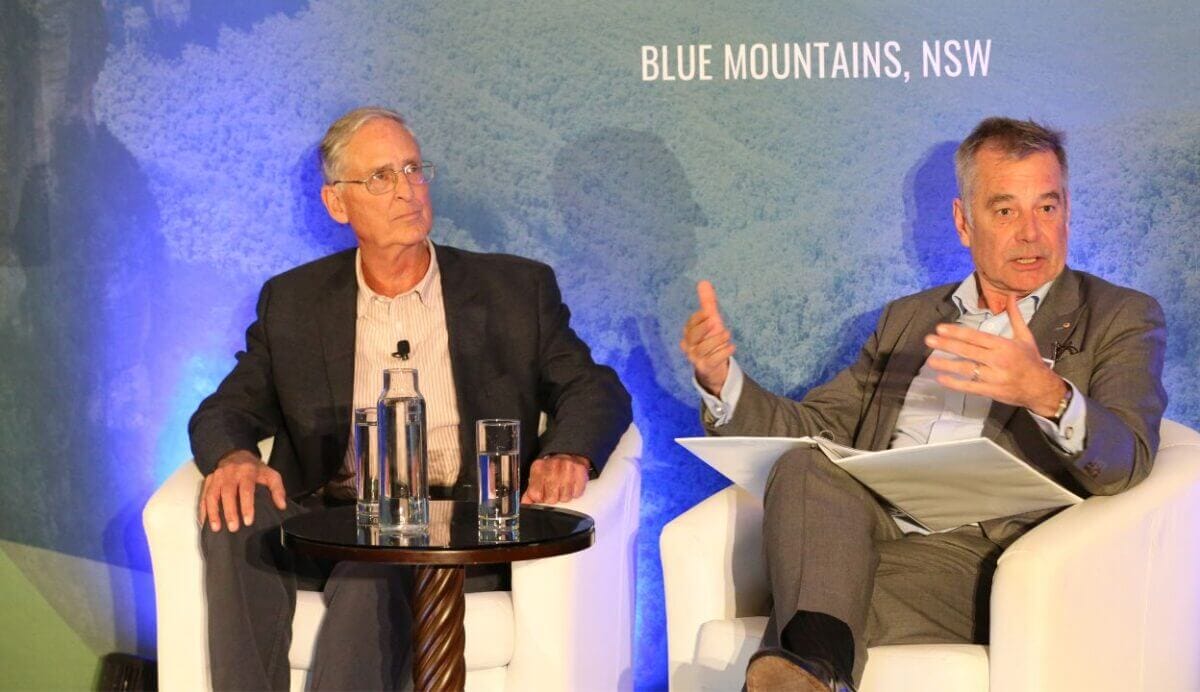
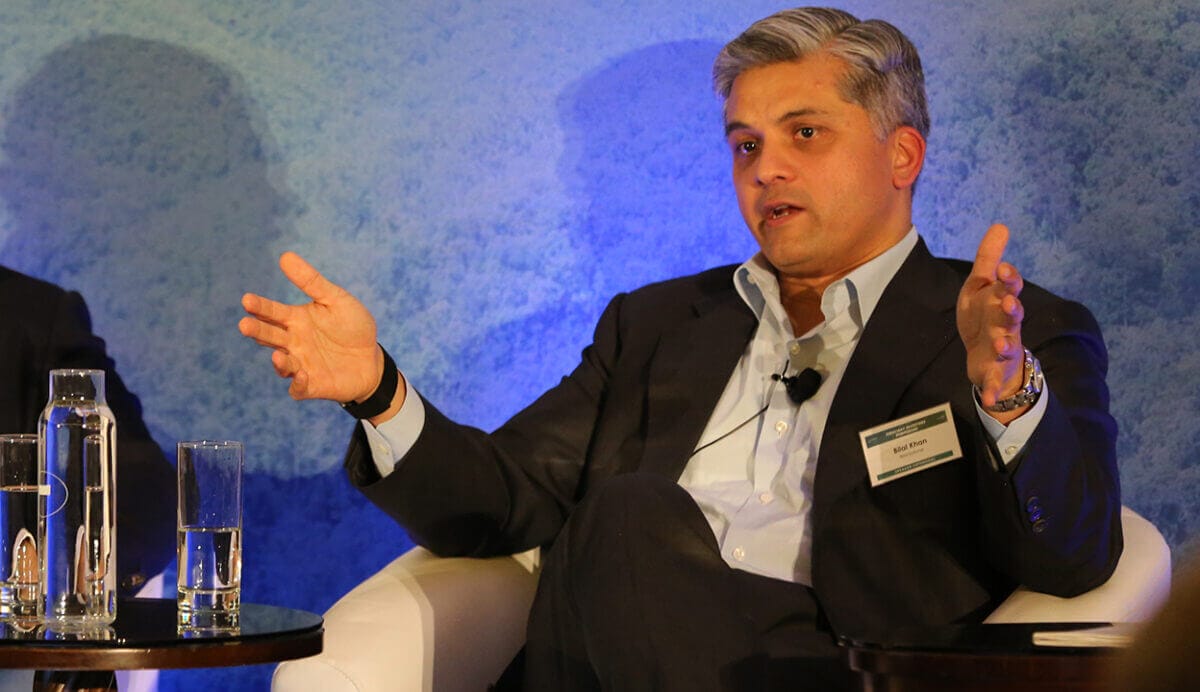
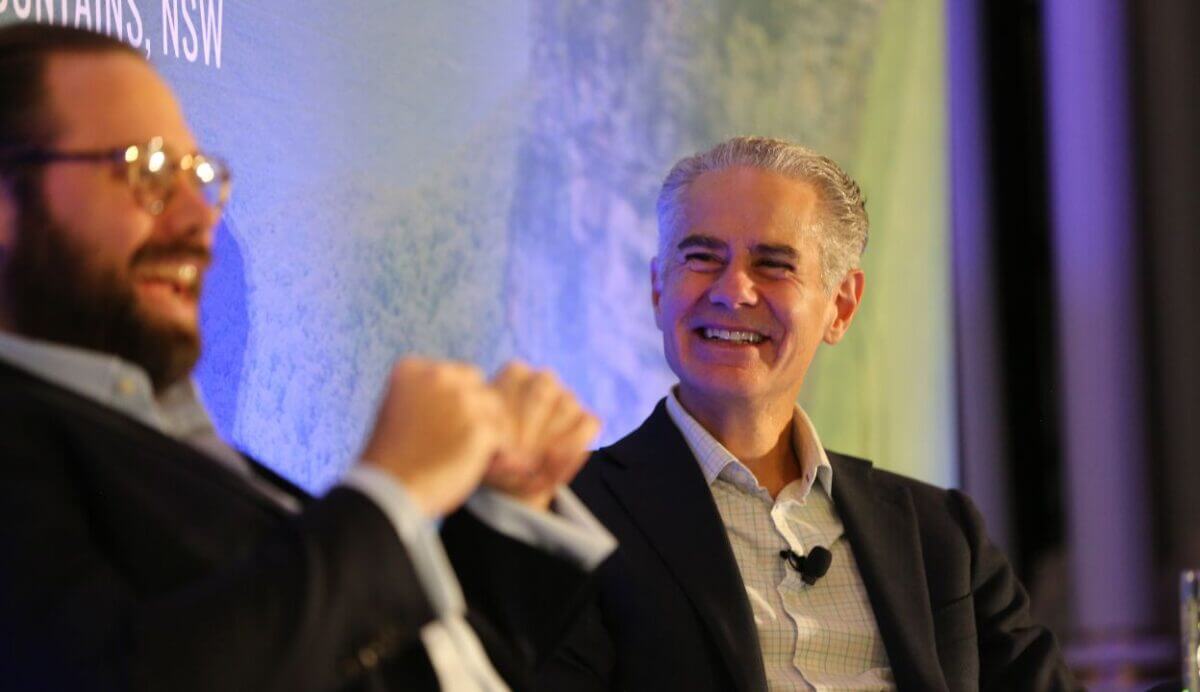
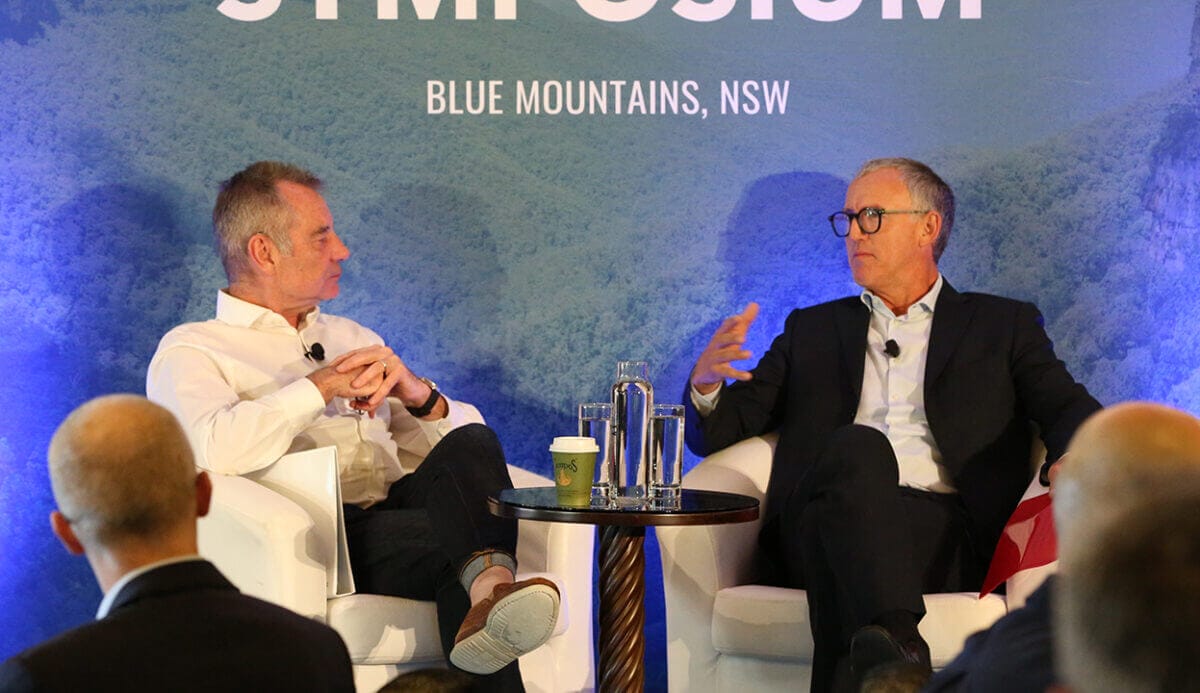
Warwick McKibbin at the Fiduciary Investors Symposium.

12 May 2026 21:27
2026 Fiduciary Investors Symposium NSW

Over the past decade, private credit has become an important component of many asset owner portfolios, but a perception of the asset class as risky – or, in some isolated cases, fraudulent – means it is still treated with suspicion by some commentators and investors. A “little bit of a shakeout” might help.





Leave a Comment
You must be logged in to post a comment.