


Australia’s superannuation funds have the financial weight to shape geopolitical outcomes but need to band together avoid being “divided and conquered”, according to Tom Gregg, former senior UN official and mediator, and senior international adviser at Kessler Topaz Meltzer & Check.
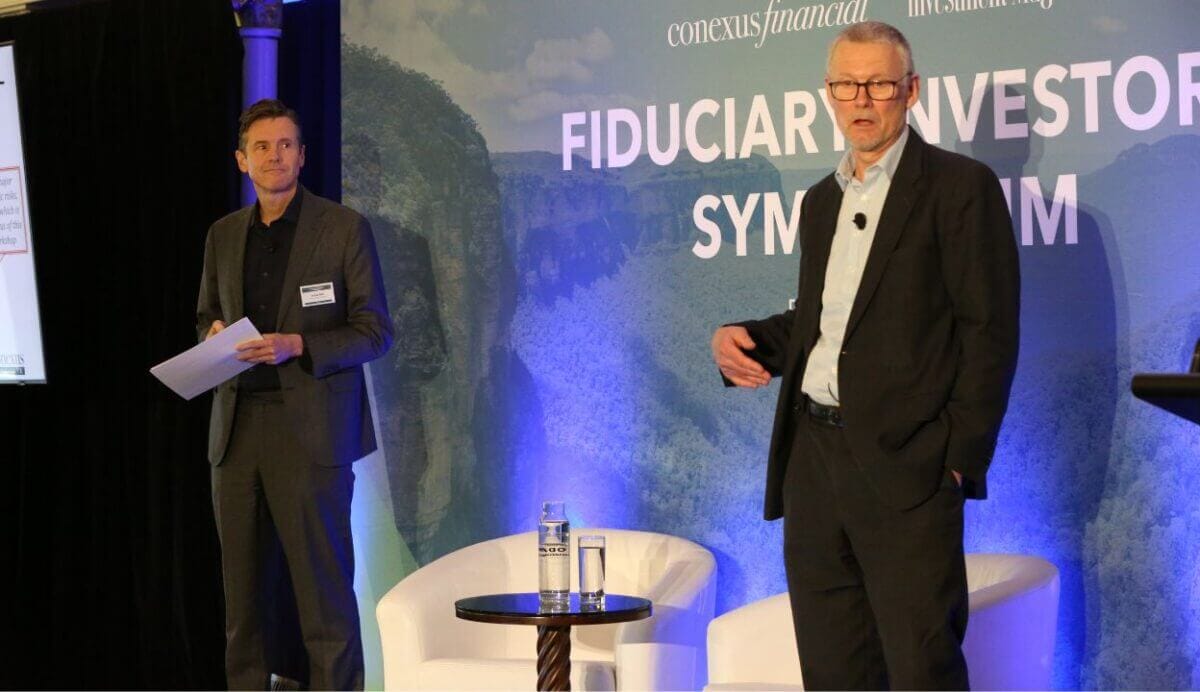
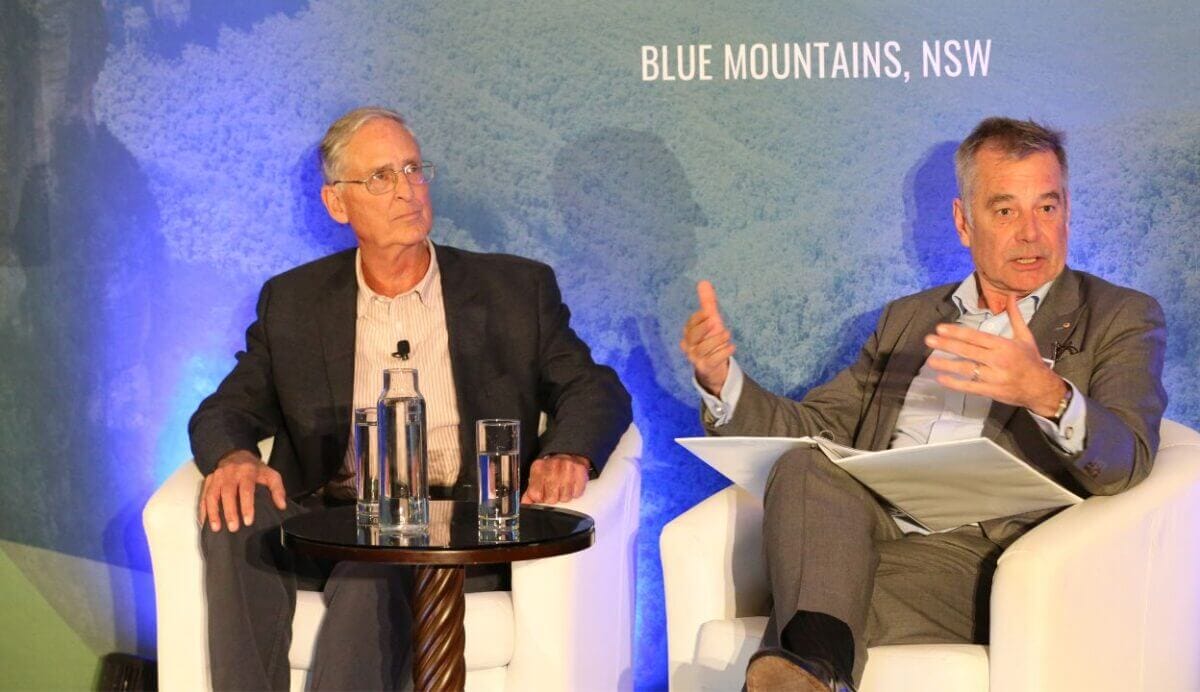
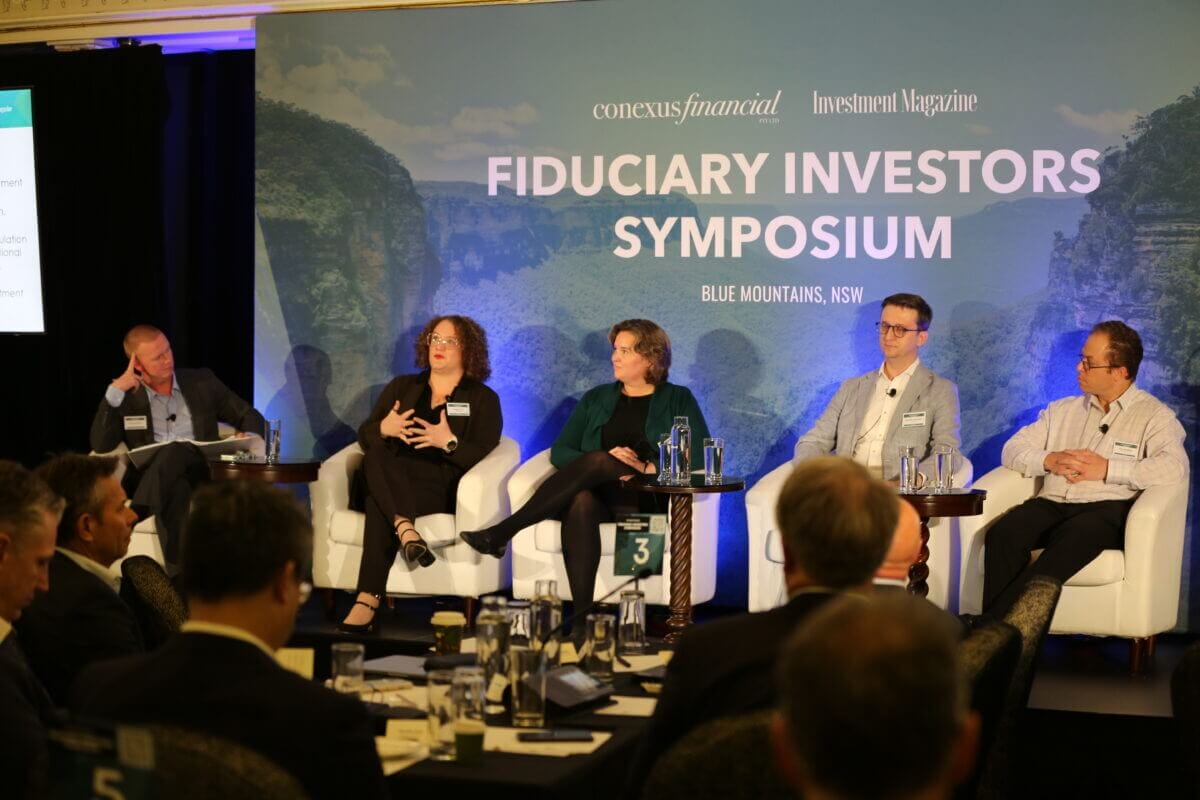
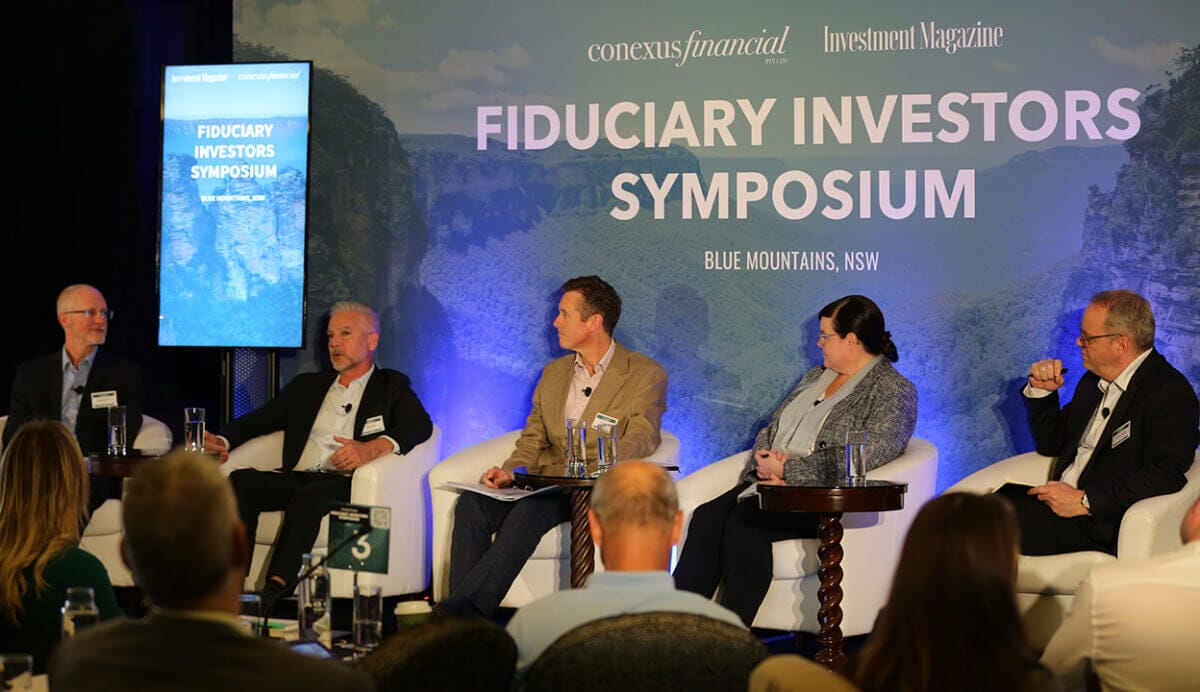
“The weight in this room is extraordinary,” Gregg told the Investment Magazine Fiduciary Investors Symposium in the NSW Blue Mountains.
“There’s been no need to imagine leveraging the sorts of influence that you have and the assets that you have to shape any sort of agenda, but there’s the opportunity and capacity for that to take place.
“And I think that is something that Canada is probably doing better, particularly as it relates to direct investments, but also connecting that sort of idea of understanding the size they are and how they want to invest rather than just purely seeing the numbers.”
Super funds are increasingly being drawn into international politics and economics, with delegations of fund executives meeting with key officials in the United States and UK and being mentioned in official memoranda between state actors.
Gregg made the comments on super as part of a wider discussion on increasing geopolitical fragmentation, saying that a multipolar world – one where multiple states have similar capabilities – would be a “gift” compared to the one that was actually emerging.
“We’re entering a fragmented world, which is very different and more alarming. I think that it’s very reassuring for a middle power like us to hold on to what [Canadian] Prime Minister Carney said about a middle power alliance that shapes a normative agenda and underpins an international system, but it’s completely impractical.
“Middle powers exist within the ebb and flow of great powers. And I think we’re entering a period in which the US becomes far less predictable and more transactional and that creates a uniquely complicated position for Australia in the emerging order.”
Financial diplomacy
It also creates a unique opportunity for Australia to leverage, in a sensible way, the economic power of super funds for political purposes. But the funds themselves need to be careful how they go about getting close to the current administration, Gregg said, lest they fall foul of US President Donald Trump’s ability to “divide and conquer”.
“The Australian super industry sort of appreciates that it is a 1000-pound gorilla as it relates to the United States and the world, and that it can be consequential for economies and can actually shape things.
“The super industry is not a victim of the administration the way Silicon Valley has been. Silicon Valley doesn’t have a unified voice; they’ve all been competing with each other,” Gregg said.
“I think the US wants investment from this room. They want trillions from this room. And they imagine it might be possible, not just in AI but in infrastructure. There is a version where you can’t be divided and conquered in the same way.”
It’s his belief that, in the a more fragmented world, China and Russia will benefit most, but that the United States is not in terminal decline.
“But I think when you look at the US market there’s a depth and resilience there that is extraordinary. I don’t think we’re talking about the collapse of anything. We’re definitely talking about increased fragmentation and decreased predictability.
“Unlike where we have these constrained conflicts that are separated from institutional decision-making, we probably need to have a better sense… of the knock-on effects of the conflict, which are also more interconnected and will have a greater impact on global trade and markets and supply chains.
Gregg’s international relations career began in Afghanistan, where he was responsible for leading negotiations and building relationships with tribal elders, government, US special forces and the Taliban on behalf of the United Nations.
“One observation from my time in countries of conflict is just how fragile democracy is, and the safety rails that we think are very, very firmly embedded in concrete are really far more fragile than we understand. And the costs of losing that are real. If you go to Pakistan, you can’t write what you want to write or you’ll be disappeared.”






Leave a Comment
You must be logged in to post a comment.