


The news, on Tuesday, that the $8 billion Prime Super had signed a memorandum of understanding with the $235 billion Aware Super to explore a successor fund transfer (SFT) came as a surprise.
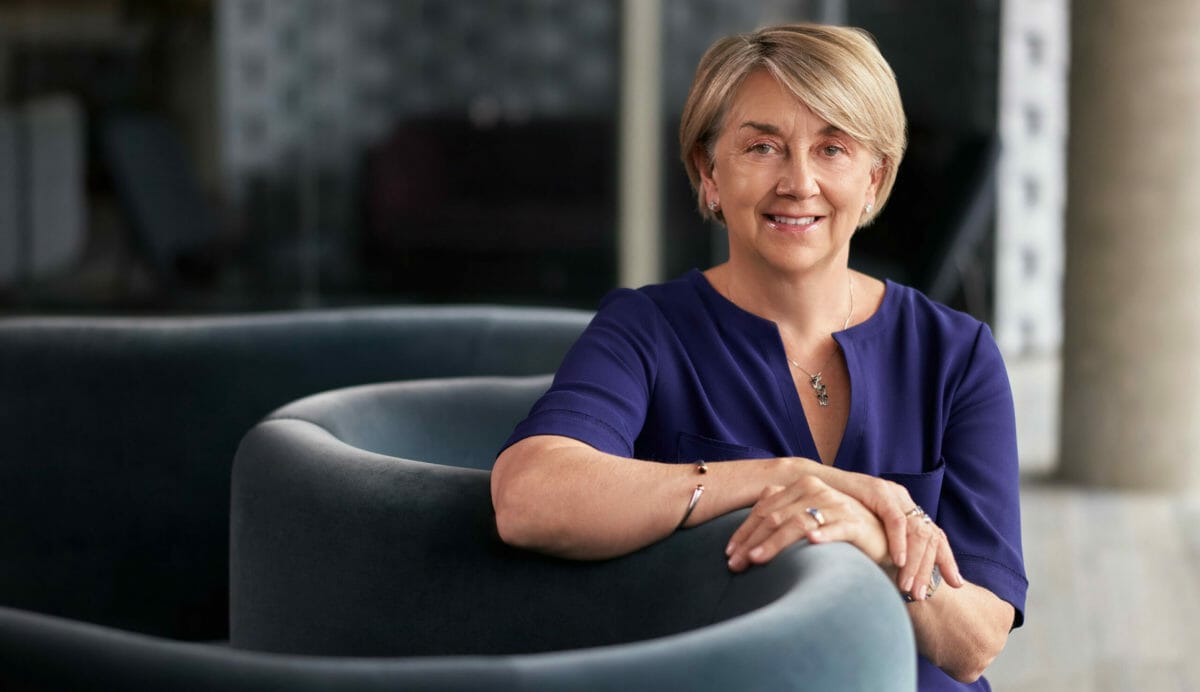
After all, it had a smart new CEO in Raelene Seales, who hailed from the more commercially-minded world of banking and insurance, and who was viewed, both inside and outside the fund, as a savvy operator with a clear vision for where she would like the fund to go; had recently appointed a new general manager of investments (though on a more flexible basis than it let on); and was operating in an environment where APRA’s proclamations on the viability of small funds had become less frequent.
In that context, Prime’s decision is telling.
It is not always the case that bigger is better – especially not in investments – but it is pretty helpful when administration and retirement are the issues playing out in boardrooms and headlines.
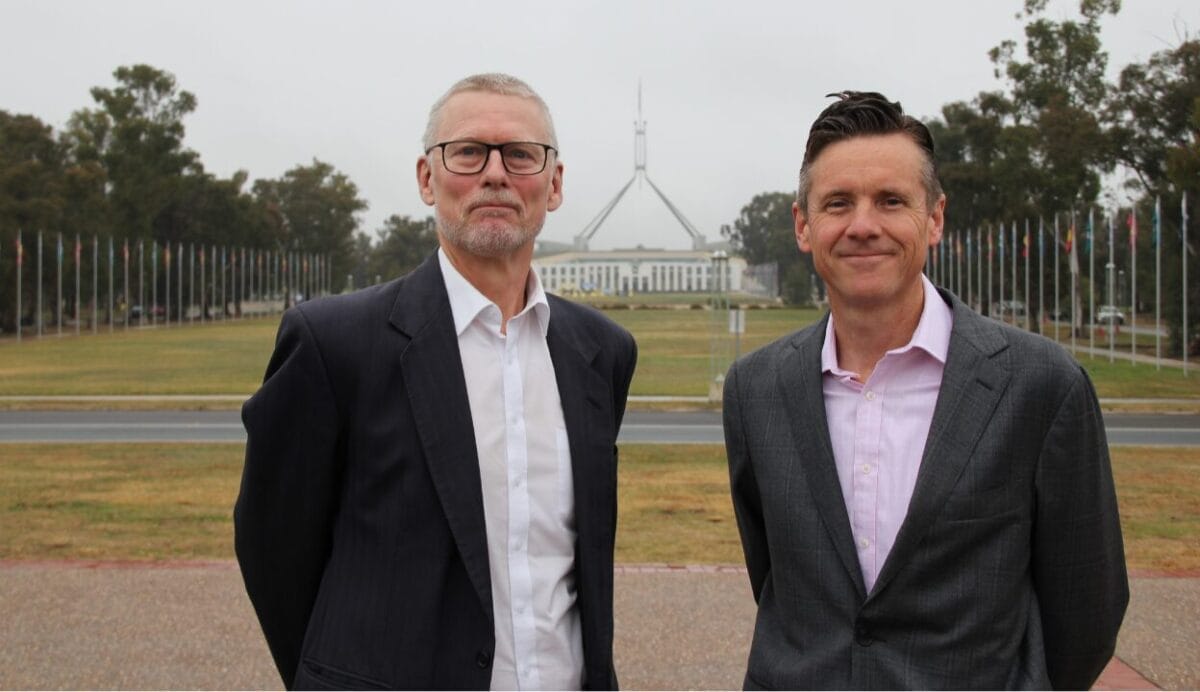
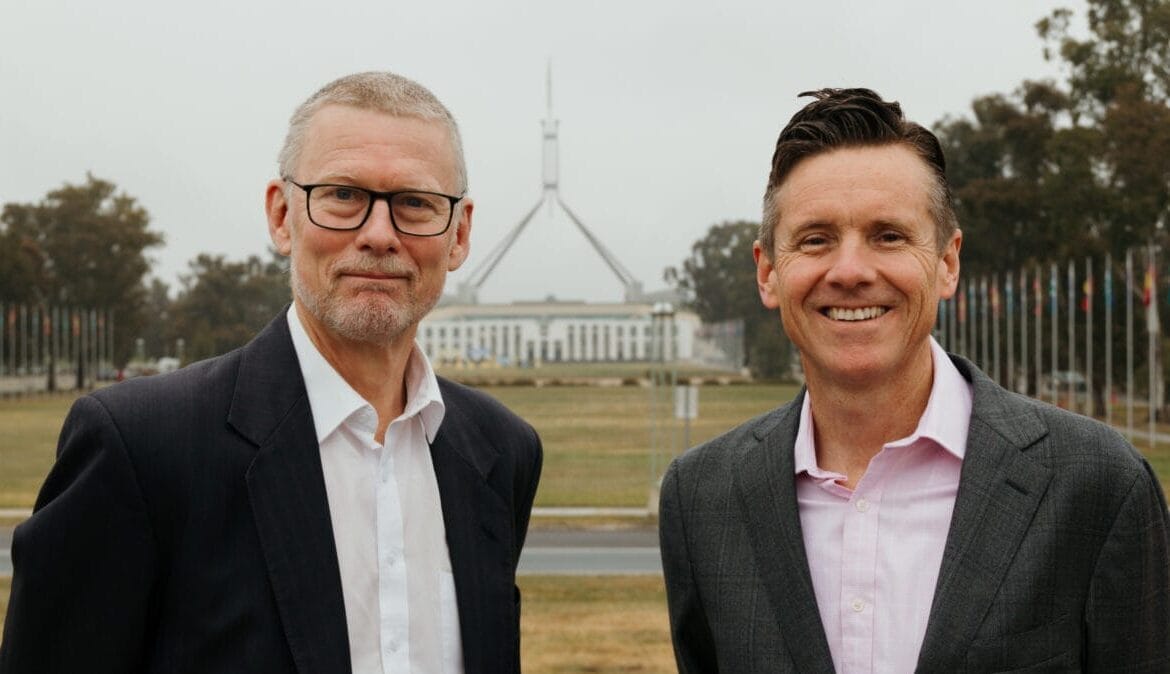
The Conexus Institute* executive director David Bell – speaking generally about the merger environment rather than about Prime in particular – says that accessing service providers in those two areas was quickly becoming an existential issue for funds with limited growth pathways, noting that the institute had identified an increased pool of merger candidates in its 2026 State of Super report.
“The big compliance and operational uplift instigated across the industry via APRA’s regulations seems to have created a sizable cost for funds,” Bell tells Investment Magazine.
“Meanwhile it is becoming clear that the leading retirement funds are setting higher standards in the areas of member engagement, advice and guidance models, and product solutions. All of this comes at a cost.
“These two issues – compliance and operational uplift and the high standards for retirement – combine to create an important inflection point for many funds: incur sizable cost and implementation risk or merge into a fund which is further progressed. It wouldn’t surprise us to see further industry consolidation.”
For its part, Aware is following through on big picture statements it made to Investment Magazine back in May, after the SFT with TelstraSuper, when Steve Travis, its group executive for member growth, said the fund was in “growth mode” after a long period of investing in “its future technology set and administration capability”.
In that sense, it’s making up for lost time. Australian Retirement Trust has made no moves since it took on Qantas Super in March last year. That capped off a busy run of transitions, with the fund taking on AvSuper, Woolworths and Endeavour Group, Commonwealth Bank Group Super and Alcoa Super in the space of a year.
Aware hasn’t exactly sat back and watched – it took on WA Super and VISSF in 2020 and 2021, respectively, – but it certainly didn’t participate in the frenzy of SFT activity that saw its competitors bulk up substantially in a very short period.
While Aware is one of the few profit-to-member funds that has bucked the trend of competitive outflows to platforms, it’s clearly still hunting for the same inorganic growth that saw its competitors. As Dave Woodall, then ART chief commercial officer, told Investor Strategy News way back in 2023, if you’re not growing market share in an industry that’s consolidating, you’re losing it to competitors.
*The Conexus Institute is a not-for-profit think-tank philanthropically funeded by Conexus Financial, the publisher of Investment Magazine.










Leave a Comment
You must be logged in to post a comment.