

ASSET’s board had not accepted that a merger was “the only way forward”, Paul said, saying the fund regularly debated whether it needed more scale.
“We’ve got one person part-time managing investments, you look at an AustralianSuper with 25 and think ‘that would be nice’, but then we can give very good attention to our members’ and employers’ needs. It’s a high level of service that you lose a bit when you become big.”
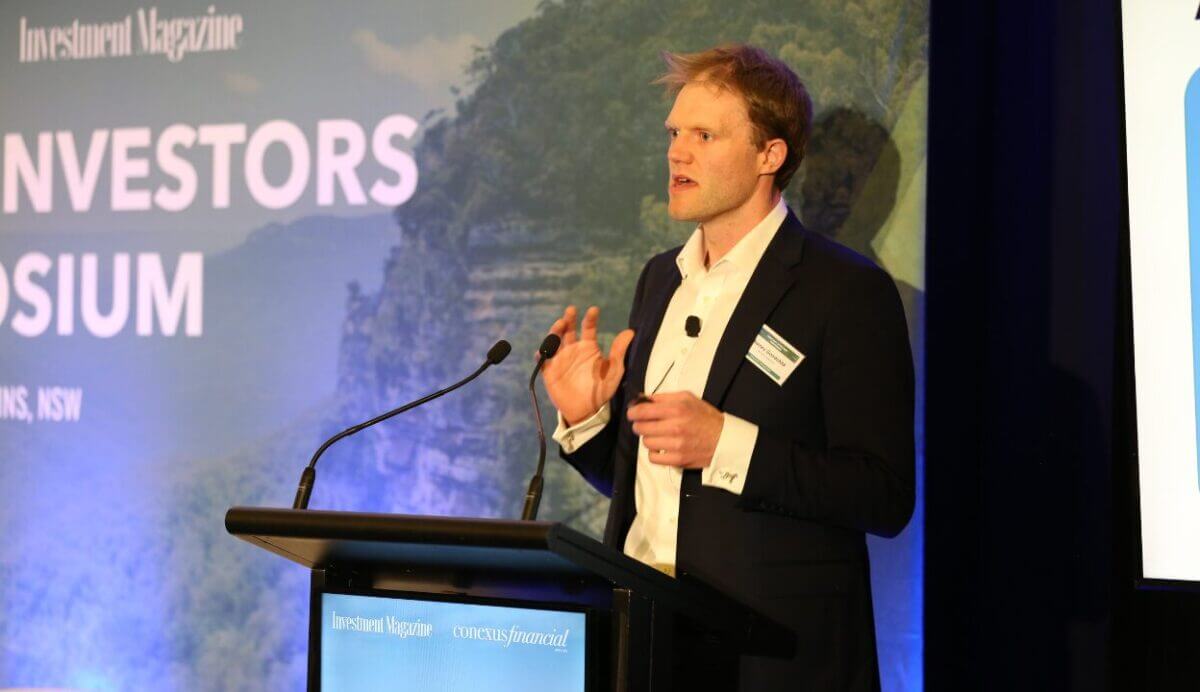
First State Super’s Michael Dwyer said any merger discussions involving the fund would be confidential. However, as a newly-elected ASFA board member he had considered Jeremy Cooper’s ’27 funds’ proposal, and urged policymakers to remember that “super is not only a scale game”.
He said while some funds would gravitate towards mergers in an attempt to reduce costs and increase their investment universe, he said funds needed to consider what their members really wanted, which was often simply reasonable returns and good customer service.
“There are small funds out there who are providing that and whose members are very happy with them,” Dwyer said.














Leave a Comment
You must be logged in to post a comment.