


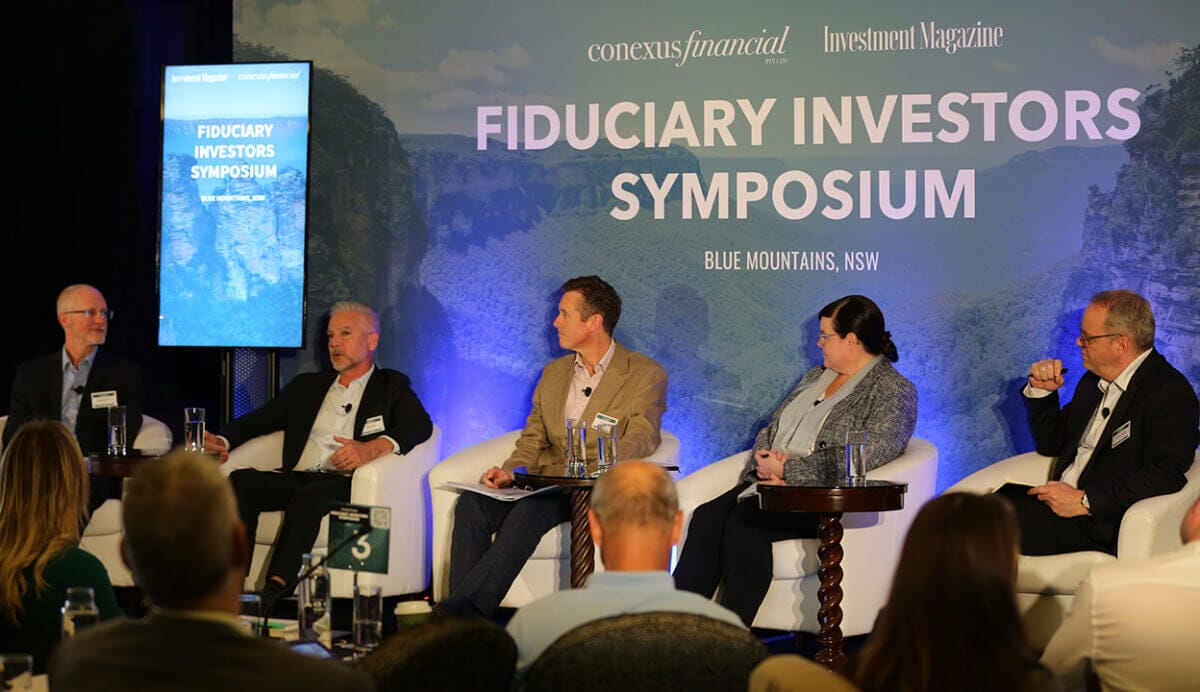
Illusions created by and surrounding central banks are beginning to fall away, leading to the recent market volatility and a move to fundamentals by investors, a panel of experts proposed at PortfolioConstruction’s Market Summit.
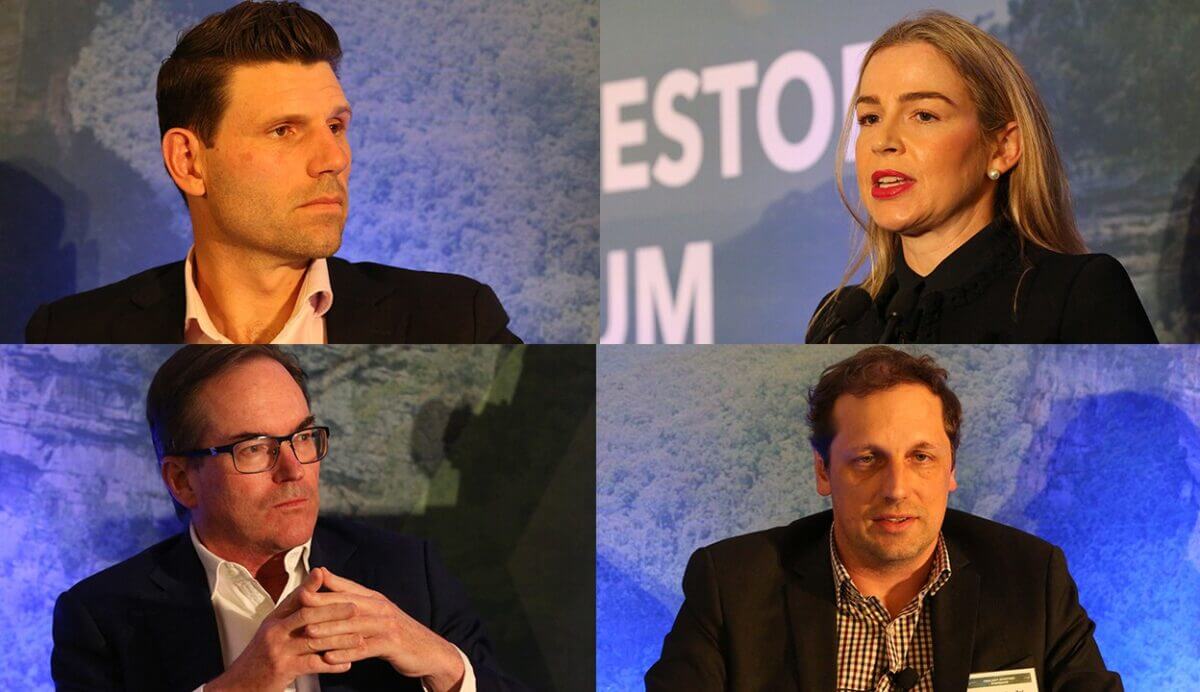
Previously, central banks had been manipulating investors to make them behave like they were in a lower risk world, according to Dr Susan Gosling, head of investments at MLC.
“What we are seeing is part of that illusion get shattered, that’s why you are getting volatility. It’s not because the fundamentals have dramatically changed. Everybody knew that China had to slow and eventually rebalance. The markets are [now] behaving more rationally than they previously were,” Gosling said.
Head of investment strategy, multi-assets at Perpetual Matthew Sherwood agreed, adding that the big undercurrent with volatility is that markets are realising that “central banks are not magicians”.
“Central banks have cut rates to facilitate a reform in the economy, but it hasn’t happened and I believe investors are now realising QE is pretty much useless,” Sherwood said.
“0 per cent interest rates have transitioned to the weakest recovery in history. So they now realise that central banks can’t save the day, and reforms have to be done somewhere else. That’s what I believe has been the driver of the volatility.”
Rob Mead, managing director and head of portfolio management at PIMCO, added that the underlying fundamentals of global growth wouldn’t on their own justify the reaction in markets seen to date.
“This belief … that the central bank was alive and well has been disappointed. That’s the new information [markets are reacting to],” Mead said.
“We are very quickly seeing the efficiency and power of policy has been significantly reduced. So that put is no longer there. Markets are realising this in a very short window, and eventually they will realise they need to go back to pricing based on fundamentals.”
In Mead’s assessment, in the short term this will mean a lot of pain, but, longer term, it will be constructive as the central bank’s effect on market pricing will be removed from the equation allowing markets to be focused on earnings.
“That’s the realisation, rather than a slowing of growth in China or the US,” Mead said.
Reinforcing this point, Bruce Campbell, strategic investment advisor at Pyrford International (London), said central banks have “stuffed it up” and governments don’t have a clue what’s going on.
He said world growth is going to creep along for many years to come, as a result of low productivity and workforce size, and that these numbers have not been built into economic forecasts, budgetary forecasts, or revenue forecasts of governments.
(Continued below)
[tv playlist=’55c989c3150ba0fb768b458c’ theme=’im_article’]
“So we are going to start unwinding all this leverage we’ve put in the system. And unwinding leverage is anti-growth by definition. Governments are loathed to do this because they don’t want to be the ones seen to be responsible for growth collapsing,” Campbell said.
“The truth is at some point we will have a very significant recession. It’s a bit like Paul Keating said years ago: “It’s the recession we have to have.””








Leave a Comment
You must be logged in to post a comment.