


The acquisition of Australian data centre darling AirTrunk by asset manager Blackstone and asset owner Canada Pension Plan Investment Board (CPPIB) signals signalling the growing importance of digital infrastructure in institutional portfolios as the AI boom moves from listed equities to the private markets.
Asset owners will get a behind-the-scenes look at the $24 billion megal-deal at the upcoming Investment Magazine Fiduciary Investors Symposium in Healesville, Victoria, on October 21-23.
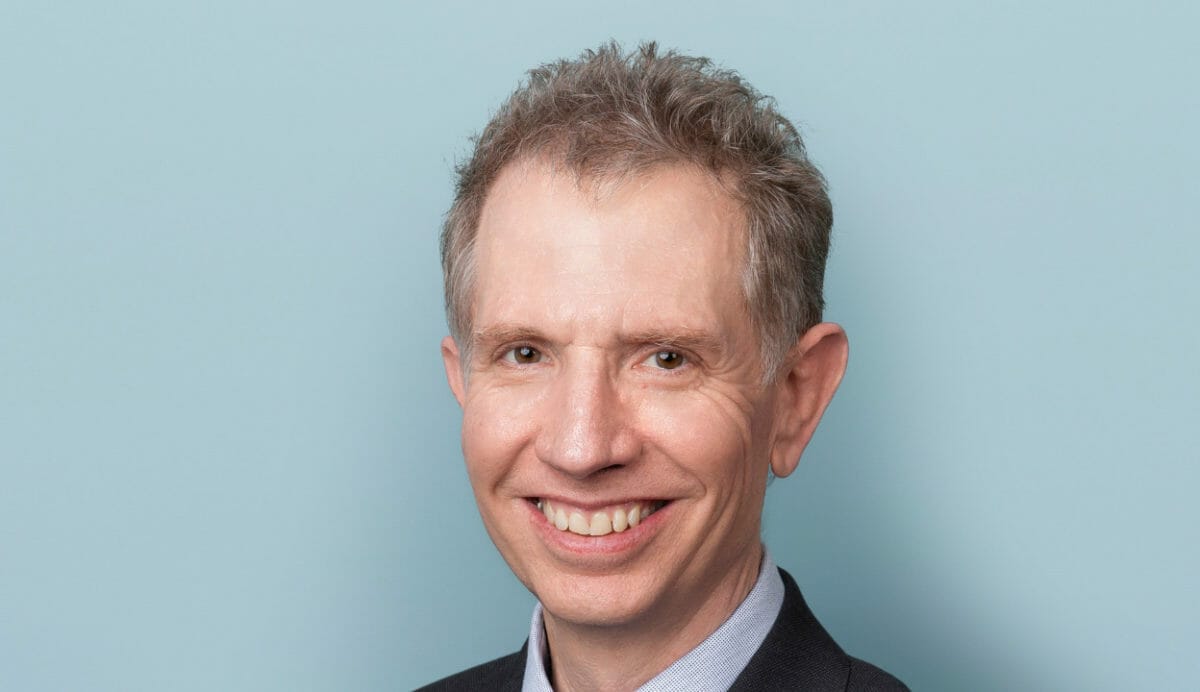
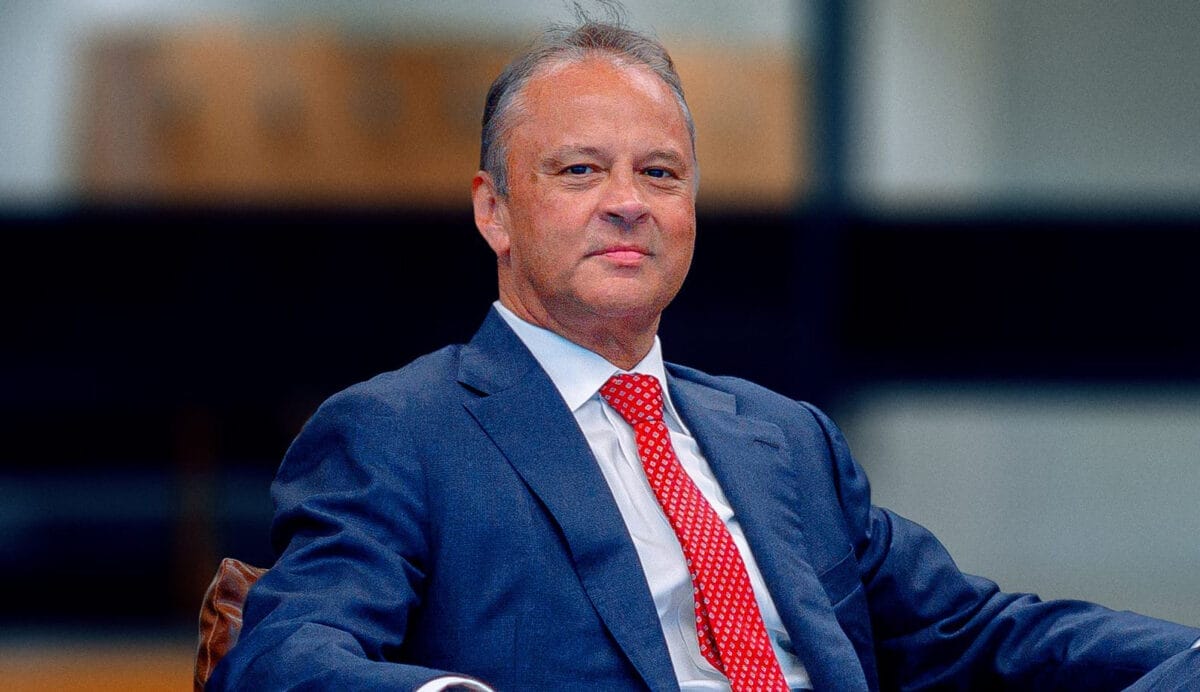
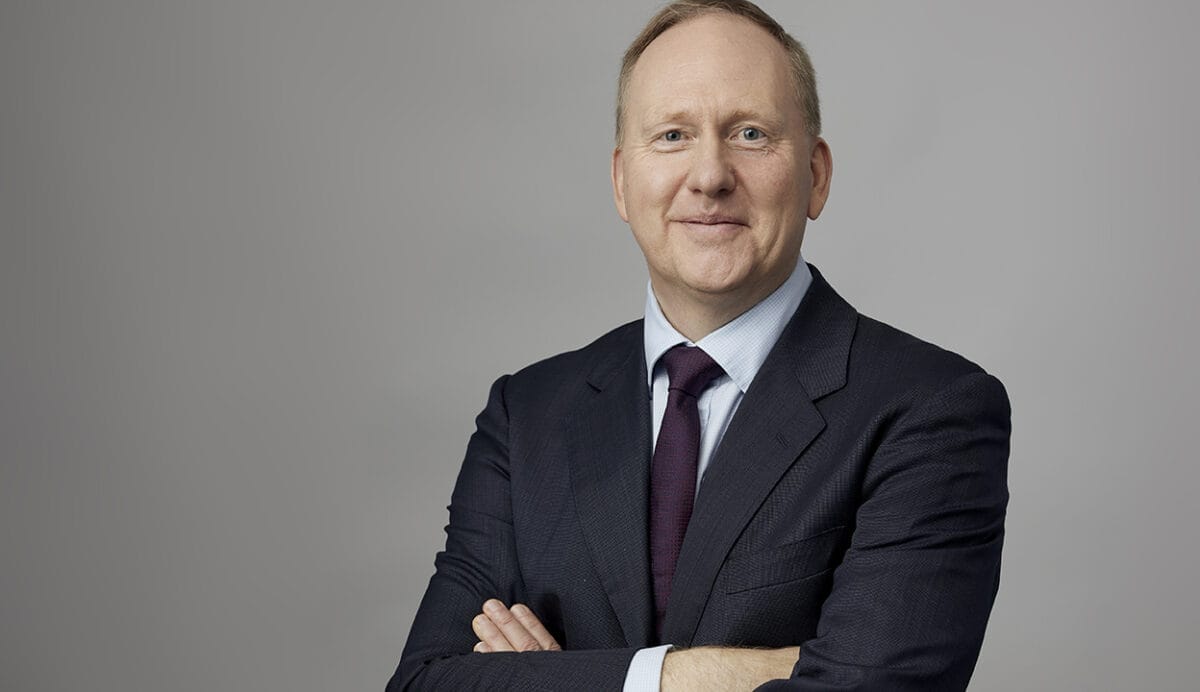
AirTrunk founder Robin Khuda will appear alongside Blackstone head of Australian real estate Chris Tynan to discuss how asset owners should value and consider digital infrastructure, as well as the outlook for the booming data centre sector.
AirTrunk co-investor CPPIB identified increasing adoption of artificial intelligence as being behind the “significant growth” in the Asia-Pacific data centre sector, and as one of the reasons it bought into AirTrunk.
The deal featured heavily in the 2024-25 returns of the $315 billion Australian Retirement Trust, which bought a seven per cent stake in the company in 2020 – worth some $300 million at the time – and walked away with $1 billion, though it wasn’t betting on a massive payoff from the AI thematic when it made the investment.
“I think back to the case at the time and we saw it as critical infrastructure for the cloud,” Andrew Fisher, general manager of portfolio management and resilience at Australian Retirement Trust, told Investment Magazine in July.
“That was not a reversing trend – that was a growing trend, and similar to the case around Australian Technology Park and having CBA as an anchor tenant; AirTrunk was all around Microsoft and Google essentially underwriting the build of data centres. You essentially have infrastructure-like expectations around yield. AI was an awful lot of icing on the cake.”
But a strong and dominant narrative about the attractiveness of data centres also belies the fact that their risks haven’t been tested through an entire cycle – yet. Tammi Fisher, managing director of real assets at the $250 billion Future Fund, said some of its partners are “more cautious”.
“How do you price risk that’s maybe 10 to 15 years out in data centre locations that are highly customised for a specific tenant?” Fisher said at the Top1000Funds Fiduciary Investors Symposium in Stanford.
“How do you think about that end-of-life risk, if there is end of life risk? Then there’s others that are so much more optimistic about them and the growth in them… [but] you have to be highly specialised about how you look at the asset, understand the rental agreements, what the technology risk is, where it’s located – and like with anything, the quality of management. At the end of the day, they’re operating the assets.”
The sale of AirTrunk realised significant value for Canada’s Public Sector Pension Investment Board and Macquarie Asset Management, which between them acquired an 88 per cent stake in the company in 2020. At that time, AirTrunk was valued at around $3 billion. Clearly, Blackstone and CPPIB think the trend in digital infrastructure and AI has more to run.
“AirTrunk is a landmark Blackstone investment – an illustration of our scale, breadth and the depth of our strategies, and our commitment to investing in our high conviction investment themes,” said Greg Blank, senior managing director in Blackstone’s infrastructure group, in a statement to announce the deal.
“We have the access to capital, global reach and connectivity to some of the world’s largest and most valuable companies, and the firepower to continue to build AirTrunk and drive meaningful growth for the business, customers, employees, and our investors.”
But there’s a risk also that the AI wave pulls back – leaving data centres, and their operators, washed up on the shore. An article in the Financial Times titled ‘Absolutely immense’: the companies on the hook for the $3tn AI building boom canvassed the views of the bankers, fund managers and tech executives that are caught up in the data centre boom.
“People are making forecasts on the assumption that all enterprises will start to use AI technology and pay for it, and pay enough for it to justify the return on investment for all these training facilities,” said one banker, speaking anonymously for the article.
“The conclusion is that we’re all going to be using AI all the time for everything. That’s an incomprehensible world, but one you need to believe in order to not see how this all ends up losing money.”
Alicia Gregory, former Future Fund deputy CIO turned managing director at asset manager Blue Owl, will also opine on how the AI megatrend is playing out in private markets, while Barrow Hanley senior portfolio manager Brad Kinkelaar will question the sustainability of AI-fuelled exuberance in public market valuations.
Professor Stephen Kotkin of Stanford University’s Hoover Institution, one of the world’s foremost geopolitical scholars, will conduct an exclusive in-person masterclass on US foreign and domestic policy, innovation ecosystems and the AI arms race, providing asset owners with valuable clarity of thought in an uncertain climate.
And a raft of asset owner leaders will share their insights with peers, including UniSuper CIO John Pearce, Mercer Super CIO Graeme Miller, Brighter Super CIO Mark Rider, Team Super CIO Seamus Collins, TelstraSuper acting CIO Kate Misic and more.
Click here to register for the Fiduciary Investors Symposium Victoria 2025. Please note, the event is only open to eligible senior staff of institutional asset owners – limited availability remains.














Leave a Comment
You must be logged in to post a comment.