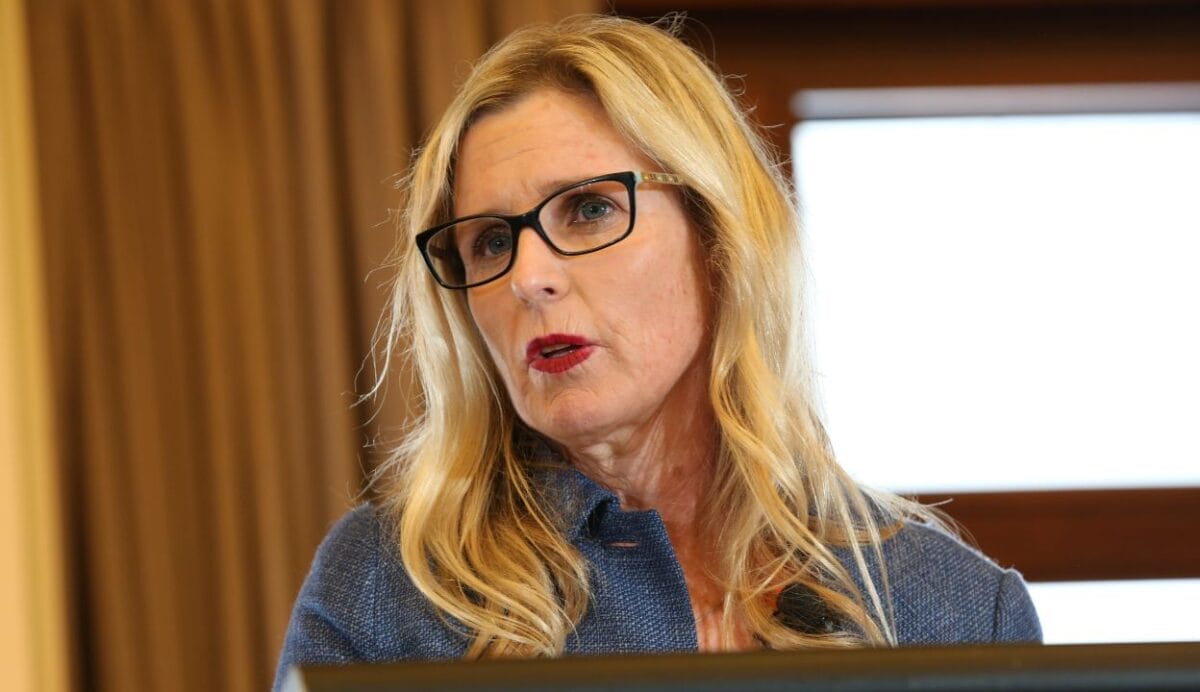
Super funds fail to turn the page on claims handling
Every time the superannuation sector attempts to flip the script on insurance and death benefit claims handling, it somehow keeps getting dragged back into the spotlight for all the wrong reasons.
A brief encounter with Elon Musk in 2013 showed that he would not flinch at rolling the dice, writes Conexus Financial founder and managing director Colin Tate AM. But SpaceX’s mega-IPO demonstrates that citizens, regulators, capital allocators and advisers need to decide whether they are comfortable with who is holding those dice.
The $410 billion AustralianSuper has appointed a dedicated head of treasury, Europe amidst a broader push by super funds to manage the increasingly complex liquidity needs created by their growing allocations to offshore and private assets.
The total portfolio approach has allowed Australia’s sovereign wealth fund to capture the themes that will power markets and economies for decades to come, said director of thought leadership Craig Thorburn – but that doesn’t mean it’s not hard to scale.
ASIC has warned that a tail of underperforming superannuation trustees risks undermining industry-wide progress on claims handling more than a year after the regulator excoriated funds for dragging their feet on death benefits claims.
Ryan Riedler, head of ASX core strategy, Australian equities at Cbus, says the fund will look to generate alpha locally through engagement and that internalisation will help it strengthen its connection with other market participants, as well as its brokers and service providers.
AustralianSuper’s head of Australian real assets, Nick O’Neil, is leaving the fund to become group chief executive officer and managing director of the ASX-listed global real estate and infrastructure group Lendlease.
Super funds are in a prime position to promote more open conversations around mental health among members and employers, serving as a conduit between two worlds where the topic is both a personal wellbeing issue and a business challenge. One of the sector’s unique features is that it has broad exposure to the Australian economy, … Read more
As the retirement phase becomes the defining challenge of the superannuation system, the ability to measure what truly matters for members will increasingly shape how funds design, prioritise and deliver retirement outcomes. Funds must be able to measure, understand and improve retirement outcomes, not just investment performance.
Training for a marathon can’t start the day before the race, and preparing for retirement can’t start the day before someone stops working. The superannuation industry must find ways to play a more active role in Australians’ lives to set them up better to reap the full benefits of the $4.5 trillion system.
Over the past decade, private credit has become an important component of many asset owner portfolios, but a perception of the asset class as risky – or, in some isolated cases, fraudulent – means it is still treated with suspicion by some commentators and investors. A “little bit of a shakeout” might help.
Portfolios built for the old world will be severely tested as emerging forces rewrite the rules of investing. The Top1000Funds.com Fiduciary Investors Symposium heard that geopolitical and macroeconomic upheaval, together with the disruption wrought by AI, should force asset owners to rethink the structure and composition of portfolios.