


The illicit drug trade is a multi-trillion dollar global market that funds organised crime, destabilises governments, and finances armed conflict, all of which flow directly into the geopolitical risk that large asset owners are currently scrambling to reprice.
The people most exposed to the consequences of failed drug policy are also disproportionately represented in the membership bases of large industry funds: young, lower-income Australians caught in the enforcement net, whose life trajectories can be derailed by a possession charge that a better-designed policy would have redirected to a health service.
The fiscal costs of that derailment could include lost productivity, healthcare costs, mental health issues and jail time, and they ultimately land on government balance sheets that asset owners are exposed to as major investors.
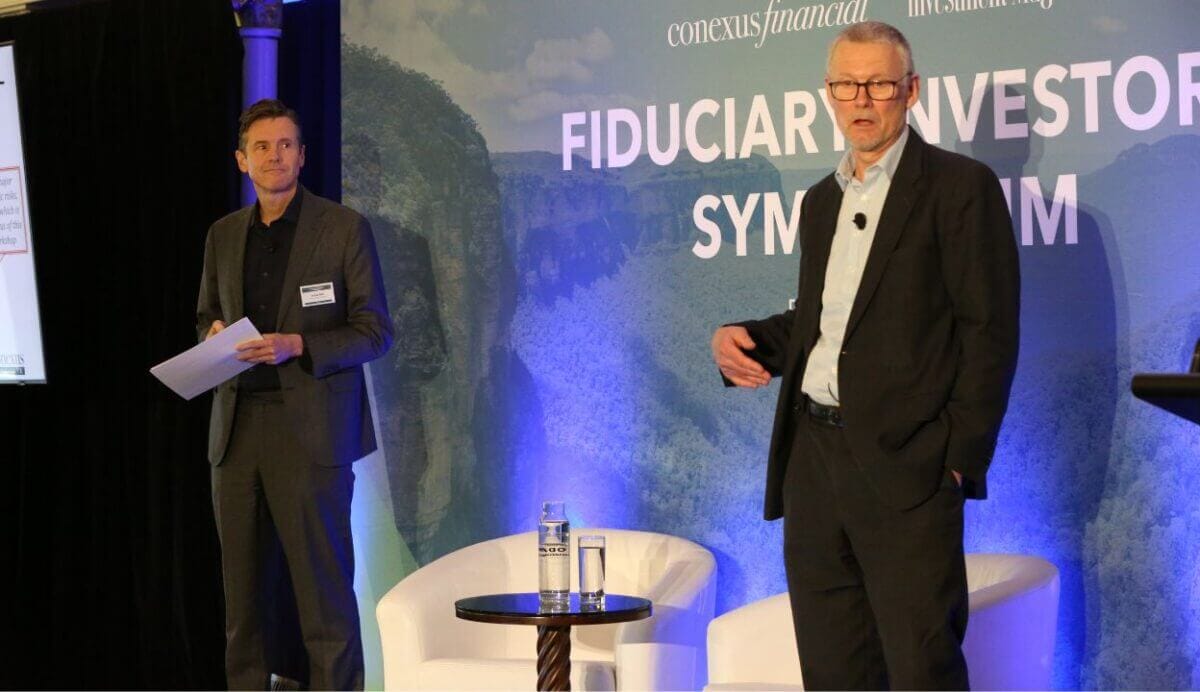
But Australia’s approach to drug policy has failed across decades and shows little sign of changing. Professor Dan Howard SC, author of the 2020 Special Commission of Inquiry into the drug ice, told the Fiduciary Investors Symposium in NSW this month that the problem had in fact become worse.
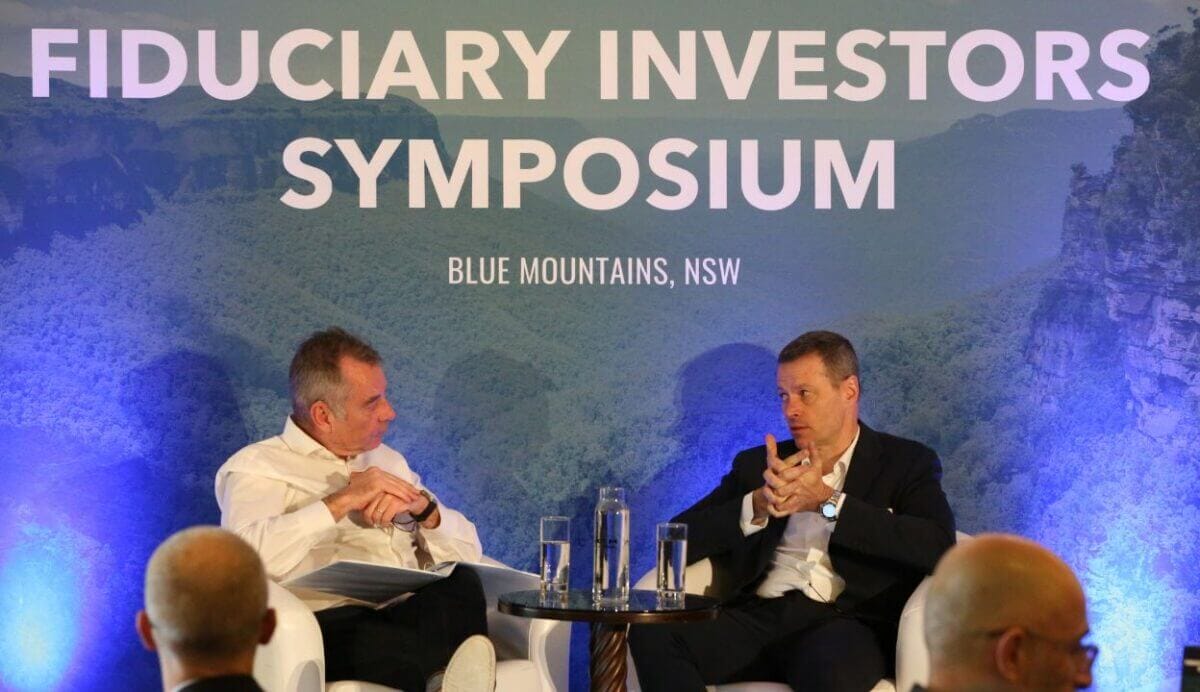
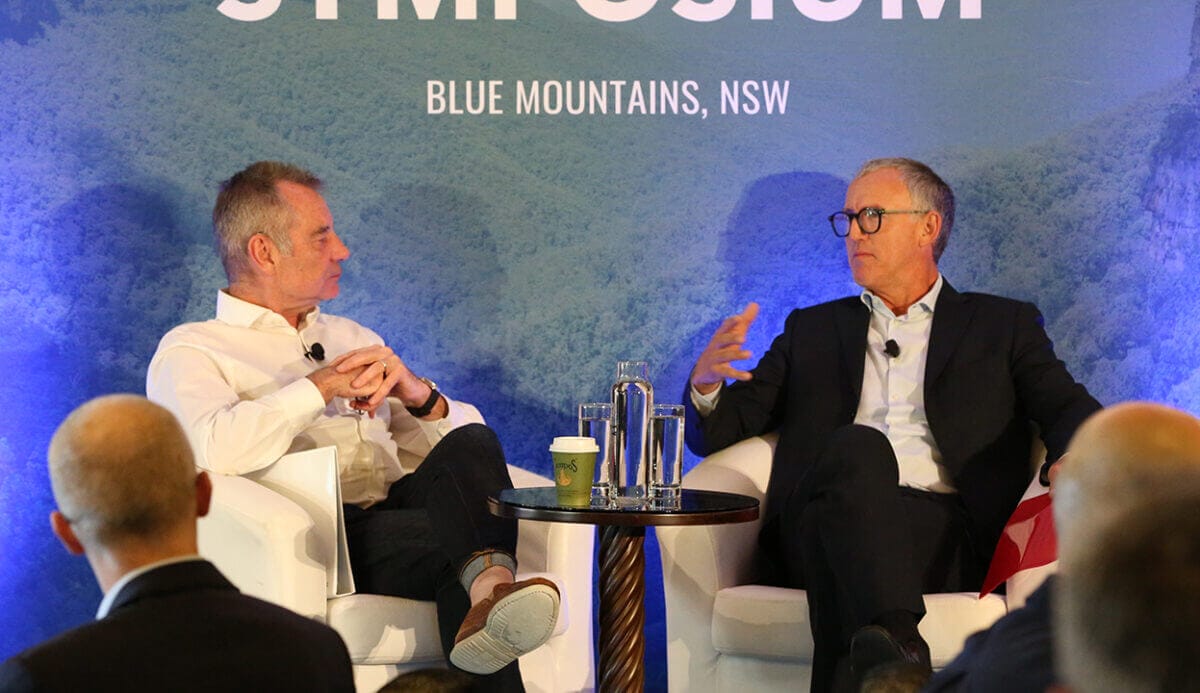
In conversation with Conexus Financial founder and managing director Colin Tate AM, Howard said he spent 15 months as commissioner before delivering a 1300-page, four-volume report to the New South Wales premier and governor in January 2020.
“In my entire 15 years as a crown prosecutor and my entire life as a lawyer, the system, the problem, has just gotten worse,” he said. “It’s never really been improved.”
Howard’s inquiry made 109 recommendations across health, justice, education, and social services. The government accepted 86 and noted 14. It did not act on decriminalisation.
New South Wales public policy was inadequate and had failed to keep pace with the scale of the problem, Howard said. The evidence pointed to a system that was chronically underfunded, structurally misdirected, and ideologically captured.
“Two-thirds of all drug budgets go towards the law and order side of it,” he said. “About 27 per cent goes to treatment. Harm reduction, which is incredibly important, gets 2 per cent of the national budget spent on drugs.”
That 2 per cent covered things such as substance testing, medically supervised injecting facilities, and the clean needle program. The national drug budget across the whole country was around $5.5 billion, Howard said.
Professor Alison Ritter at the University of New South Wales had estimated there were around 300,000 people in New South Wales with a substance abuse issue, and of those seeking treatment, fewer than half could find it.
“That’s because it’s so under-resourced,” Howard said.
‘We have to grow up as a society’
Part of the problem could be traced back to what happened after the landmark 1999 NSW Drug Summit. The summit produced the medically supervised injecting centre in Kings Cross, expanded the needle and syringe program, and introduced a magistrates scheme that diverted low-level users into health services.
“In about 2000, we were the poster boy or girl of the drug reform world,” Howard said.
But the reform momentum faded when the minister driving implementation moved on and funding dried up. By the time crystal methamphetamine use spiked sharply around 2012 and 2013, the system was unprepared.
Howard said repeated inaction since then had been driven by political risk aversion.
“They worry about what it’ll mean at an election, they kick the can down the road again and again and again,” he said. “The approach of just say no, prosecute, prosecute doesn’t work. It just does not work.”
Howard said it’s easy but lazy to blame drug users for their own predicament, and to object to funding programs to help them
“That is just so simple-minded. Nobody comes into this world saying I’m going to be a drug addict. There’s homelessness, there’s chronic unemployment, there are people who are abused as children in one form or another. There are endless numbers of actual root causes as to why people have, in despair, turned to drugs.”
Not a radical step
Decriminalisation of simple personal use and possession was not a radical step, Howard said.
“It doesn’t mean legalise, but decriminalise simple use and possession as a start. Those people aren’t destroying society. If anything, they’re hurting themselves. It’s a health problem, from their point of view and from society’s point of view.”
Around 19,000 to 20,000 people went before the courts in New South Wales each year on simple drug possession charges.
“What a waste of money,” Howard said. “These people should be steered to a health intervention, and if they use again and get caught, they should be steered back to a health intervention.”
Howard said 8000 people entered New South Wales prisons each year detoxing from ice alone.
“We’ve got this captive group in prison who we have a real opportunity to treat,” he said. “And frankly, the prison programs are just inadequate, and they have been for years.”
He recalled evidence from a man who had overcome addiction and become a drug and alcohol counsellor with the Royal Flying Doctor Service in Broken Hill, who told the inquiry that one of his clients had found it easier to source drugs by ordering them from a contact inside prison than from a street dealer.
International lessons
Portugal’s approach was the most instructive example of decriminalisation done well, Howard said. The Portuguese model directed people found in possession to a drug dissuasion board, a panel comprising a lawyer, a psychologist, and a third professional, which assessed whether the person was addicted and referred them accordingly.
“It’s that underlying superstructure of services and treatment that is so necessary to make decriminalisation of simple use and possession work,” Howard said.
Oregon, which decriminalised and then reversed within two years, was regularly cited by opponents of reform. Howard said the failure there was primarily one of implementation, not principle.
“They didn’t give it a chance,” he said. “There’s no good evidence that decriminalisation increases drug use.”
Howard said the handover of the report to the Berejiklian government was a dispiriting experience. After repeated delays, he and his chief operating officer carried the four volumes to the Premier’s building themselves. A junior staffer came down to collect them.
“That was the reception of my report,” Howard said. “And it was, frankly, it was deeply insulting, not so much to me, I can take it, but I had these passionate people working night and day on this thing.”
He said the path forward required sustained private sector support for the NGOs doing frontline work and better drug education in schools.
“We have to grow up as a society,” Howard said. “We have to understand the dynamics of this.”
The full four-volume report of the Special Commission of Inquiry into the Drug ‘Ice’ is available to read and download. For more information on drug policy reform visit Unharm.










Leave a Comment
You must be logged in to post a comment.